
Audi announces a new factory in the US with an investment of 4 billion for its largest SUVs
The Volkswagen group commits to an estimated spending of around 4 billion euros, announcing it hand in hand with US President Donald Trump, the trigger for the tariffs that have caused this decision, while tensions remain high in Germany.
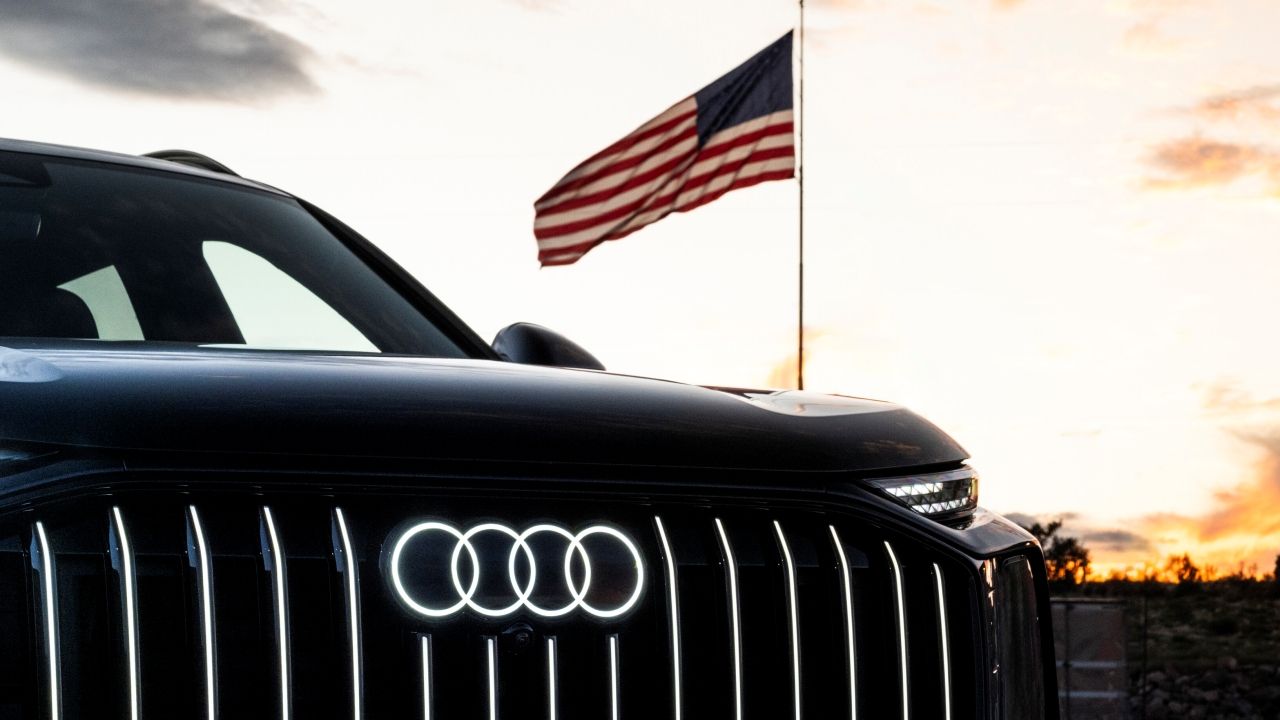

Audi will have a new plant to manufacture cars in the United States - specifically in the state of Georgia. The official announcement was made in the presence of the brand's CEO Gernot Döllner and the President of the United States of America, Donald Trump, who confirmed it, a piece of news that impacts the Volkswagen group and its off-road brand Scout.
A move with which Trump wants Americans, in the midterm elections scheduled for November 3, to have more confidence in the Republican side, both in the election of governors and in the seats for the House of Representatives and a third of the seats in the US Senate. Of course, it also serves to justify his tariff policies.
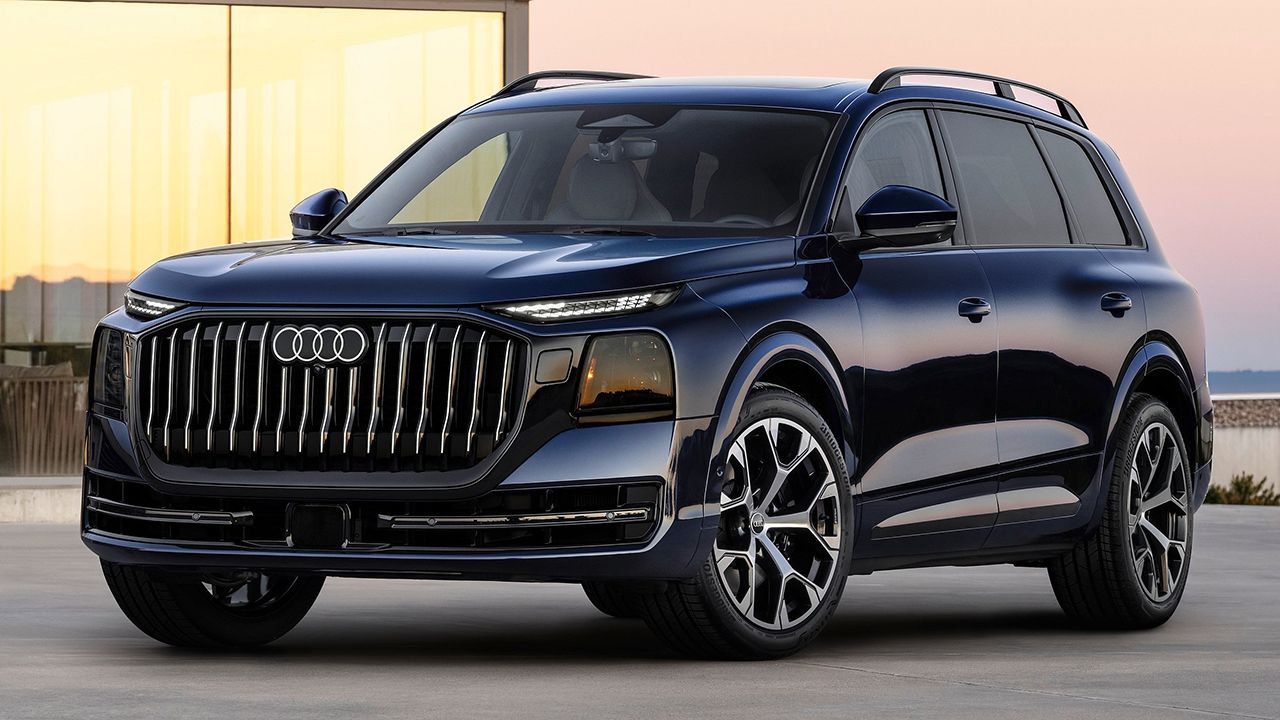
Audi will create 4,500 jobs and have a capacity of 200,000 SUVs per year
Located near Macon, in central Georgia, the new factory will begin construction in 2027 with the goal of starting production in the early 2030s. The plant will create about 4,500 direct jobs and will take on the local assembly of the brand's flagship vehicles: the impressive SUVs Q7, Q8, and the Q9 that was announced just a few months ago, reaching a projected maximum capacity of 200,000 vehicles annually. A Q7 that, in addition, we have recently tested in its TDI variant.
A landing that addresses a need for commercial survival. Last year, the tariff barriers imposed by the Trump administration cost Audi 1.2 billion euros, forced until now to import all the cars sold in the US from Europe or Mexico. Manufacturing on-site thus becomes the perfect shield to stop the bleeding in a market where the brand's sales have fallen by 16% so far in 2026 - demonstrating that globalization is unraveling.
Tension in Germany over the future of European plants
While Georgia celebrates the arrival of the multinational, on the other side of the pond, tensions remain high. The Volkswagen move coincides with an unprecedented crisis on German soil, where historic plants like Neckarsulm or Zwickau face potential closures starting in 2030 due to high operating costs and a slowdown in global sales, which fell by 7% in the first half of the year hit hard by the push of Chinese brands.
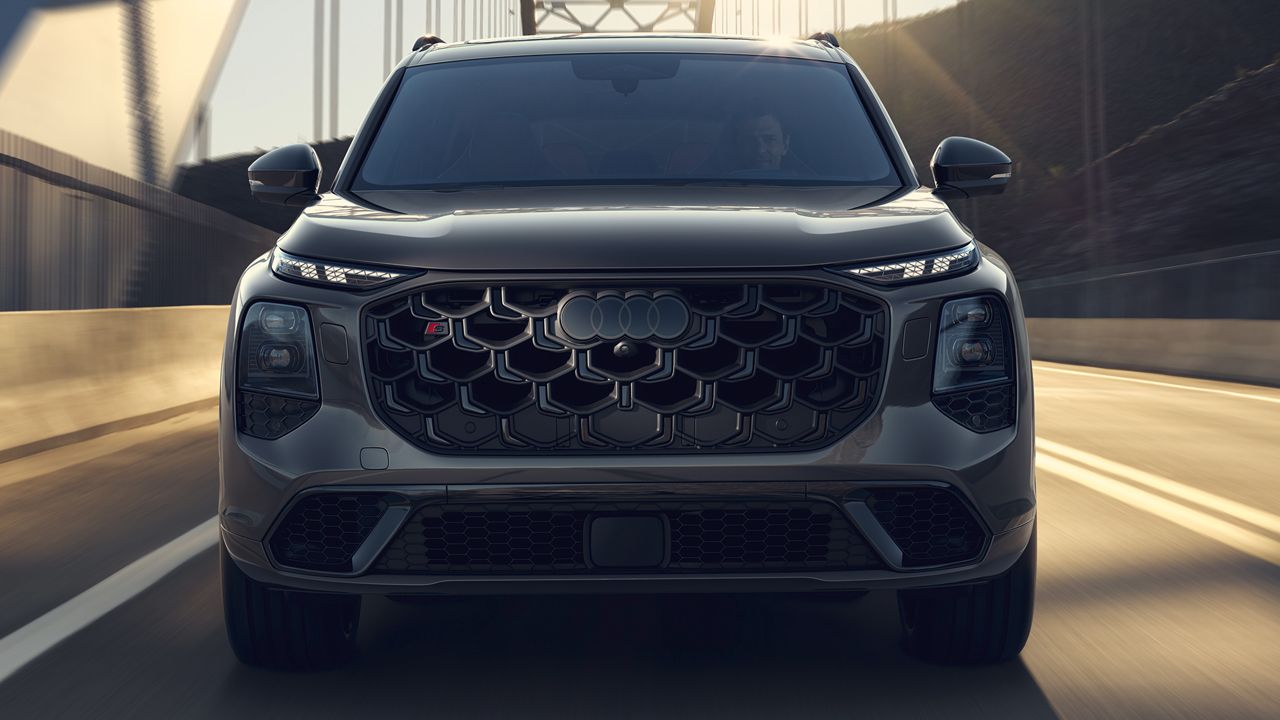
From the government of Lower Saxony and the trade union representation of IG Metall view the conquest of the North American market positively to gain volume, but demand that the expansion in the United States serves to safeguard added value and jobs in German plants. The leadership of the group acknowledges that, to survive in the new era of global automotive, manufacturing where it sells has ceased to be an option and has become a strategic obligation.
Manufacturing in the United States during these times
"It is correct and necessary to focus more on the North American market with a new plant. However, the prospects for the firm for workers everywhere, particularly all those in Germany, must be clearly defined," warned Christiane Benner, the top representative of IG Metall and a member of the supervisory board of Volkswagen. According to Olaf Lies, Prime Minister of Lower Saxony, it could be an opportunity that also benefits Germans.
In addition to Mercedes-Benz and BMW (already there), Toyota, whose tariffs will hit hard this fiscal year, plans to build a production line for pickups in San Antonio, moving part of its production from Mexico to inside the United States. Honda is also considering having a plant on US soil, depending on how the geopolitical climate evolves.

* This news is an AI translation of the original content. Motenic.com is part of Motor.es.
Fuente: Reuters