
California removes Waymo's robotaxis from its highways and the company makes a much more radical decision
Three robotaxis entered a construction zone and another tried to overtake a patrol car regulating traffic. California has restricted the operation of driverless Waymo on its highways and the company has extended the business pause.
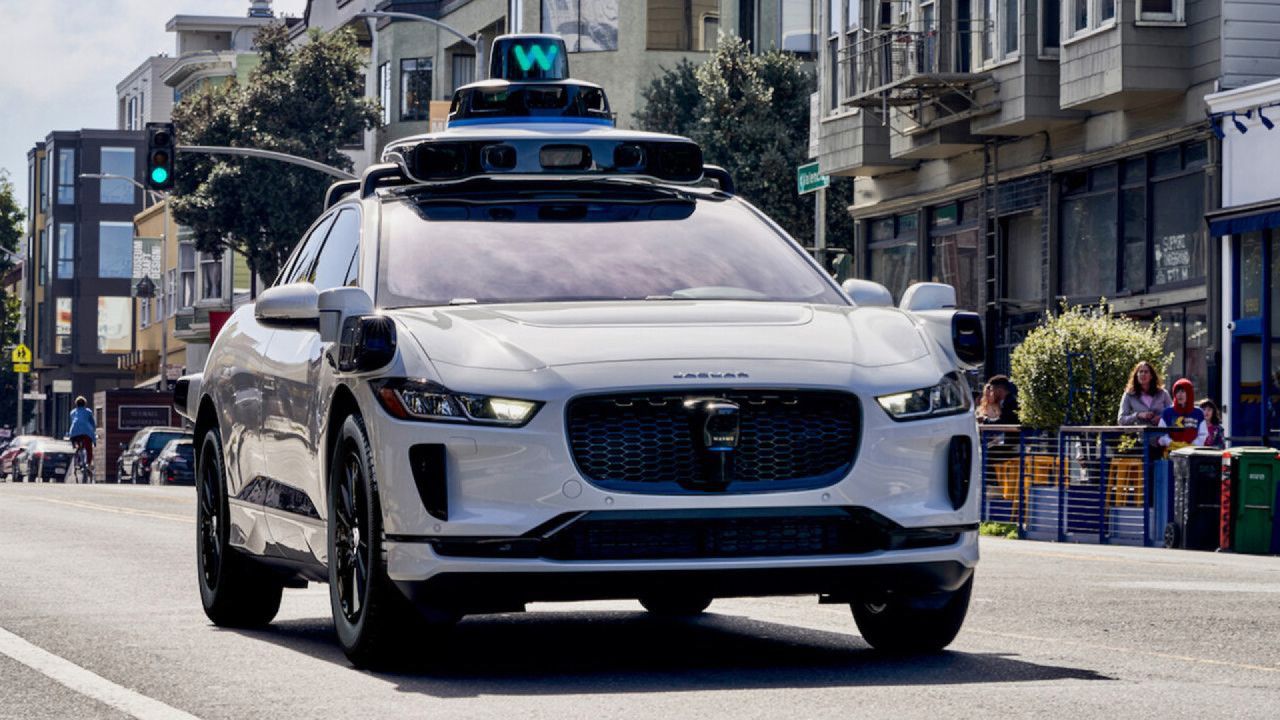

Waymo began to test its robotaxi service with the public in San Francisco in 2021 and, four years later, took its first passengers on the highway. Now, California has shut those routes to driverless vehicles. Waymo has decided to extend the pause to all U.S. markets where it offered commercial rides on highways.
The order from the California Department of Motor Vehicles (DMV) affects both passenger rides and driverless testing on state highways. Users can still request a robotaxi for conventional street travel. Waymo has also confirmed that it will continue to test on highways with a specialist behind the wheel.
Three cars in a construction zone and another in front of the police
The first incident occurred on November 5 on the US-101, near Burlingame, south of San Francisco. Three Waymo vehicles entered a stretch closed for active construction. According to the company, there were no collisions or injuries in those incidents on the US-101. The DMV deemed that the repeated entry of vehicles into areas with workers and machinery posed an imminent danger to public safety.
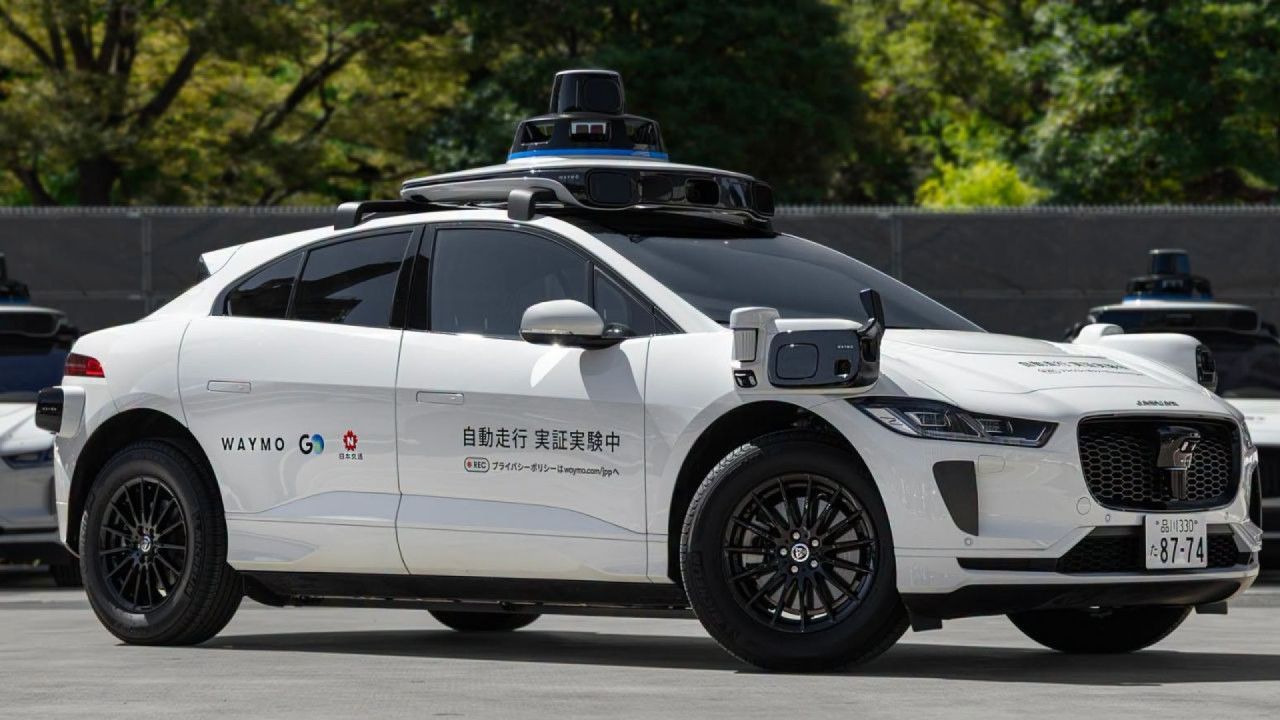
The next day, on the I-280, another robotaxi attempted to overtake some California Highway Patrol vehicles that were slowing down traffic. The officers were conducting a mobile block, a maneuver in which patrol cars advance ahead of traffic to reduce speed or open up space in the lane. The episode adds to the problems that have led California to reinforce control over autonomous cars.
Waymo had already recalled 3,871 systems
Highway construction had already forced Waymo to intervene months earlier. On May 18, seven of its vehicles passed through cones that closed lanes in the San Francisco Bay area. The company had also reported incidents in April in Phoenix, where several cars ignored signs indicating closures of access to the highway.
In June, Waymo notified the federal highway safety agency of a recall affecting 3,871 fifth-generation automated driving systems. The report identified two possible behaviors: either the car overlooked the construction zone or, when attempting to avoid another danger, ended up entering it. The planned solution included software changes and new operating procedures. It was a different campaign from the one Waymo started in May due to the risk of its vehicles entering flooded routes.
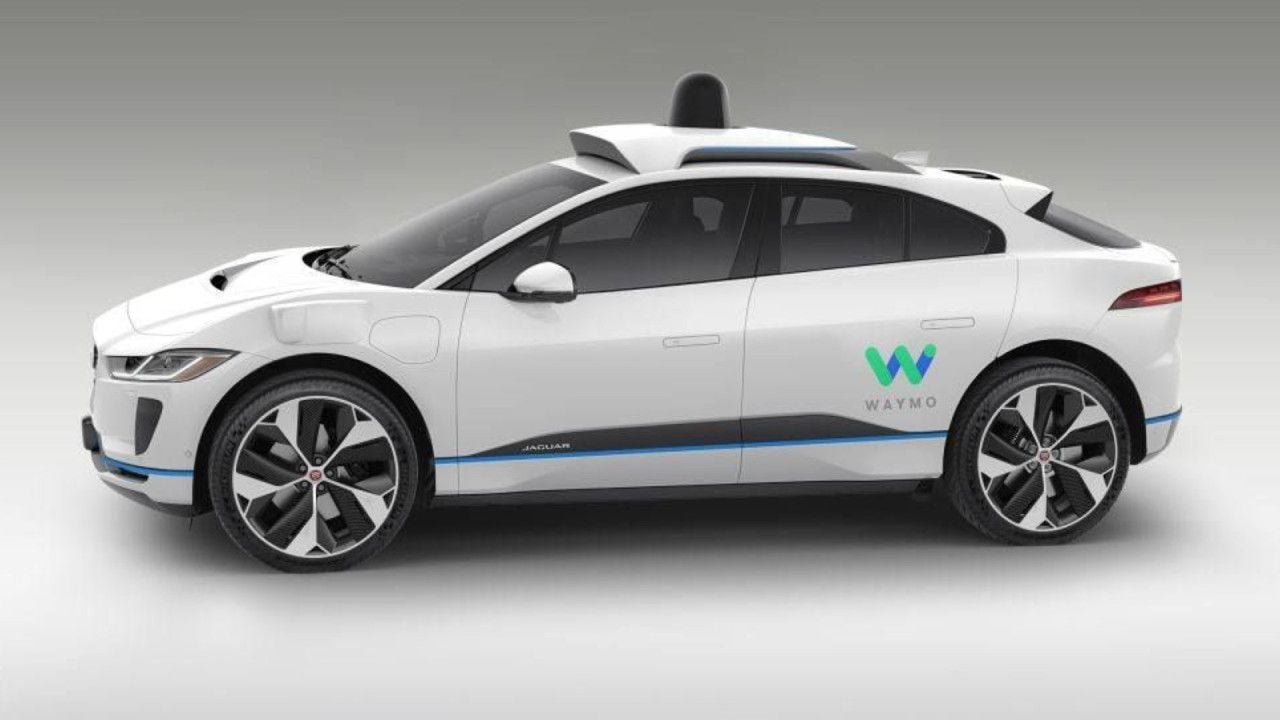
Urban rides remain available
The measure from California has statewide implications. Outside of that, the commercial suspension is a decision by Waymo and affects cities like Phoenix, Austin, and Miami, where passengers could also travel on highways. In the San Francisco area and Los Angeles, the alternative for users is travel on regular streets and roads.
Waymo has explained that it will use the pause to assess the behavior of its system and is working with authorities to restore the service. California has not set a reopening date. To return to operating on its highways without a driver, the company will have to demonstrate to the DMV that the corrections resolve the issues that led to the restriction.

* This news is an AI translation of the original content. Motenic.com is part of Motor.es.