
Will Brake by Wire Replace Traditional Brakes? Brembo Gives Its Answer
We are increasingly seeing examples of vehicles capable of using only actuators and electrical signals, instead of hydraulic fluid systems.
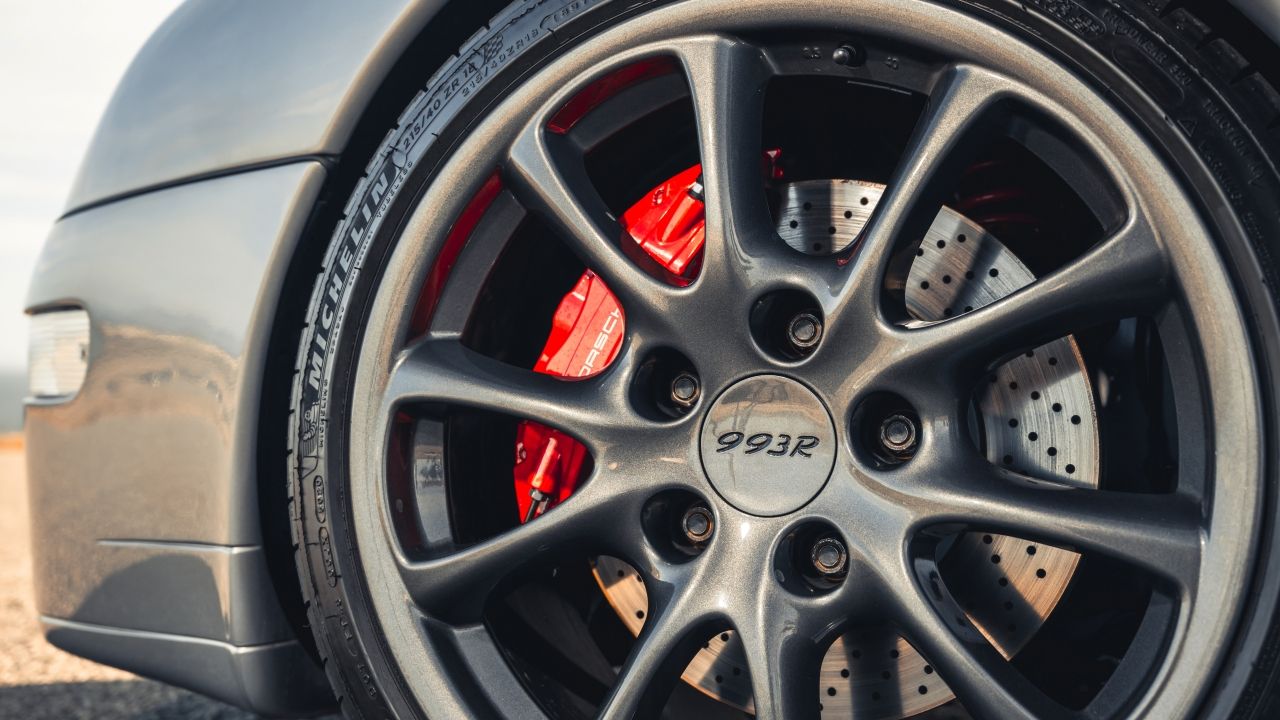

The Brake by Wire braking technology has been on the market for years - braking by cable instead of the traditional hydraulic system, although the classic method has not been completely removed; rather, both usually work together. We have particularly seen this in electrified models, both electric and hybrid.
Years ago, Brembo presented the Sensify technology, combining these systems with powerful software controlled by artificial intelligence designed to manage these systems. This utilizes algorithms to brake completely avoiding pitch or other harshness when stopping the vehicle, whether because the vehicle has reached a traffic light or because a pedestrian is crossing the road. A technology that, according to the Italian manufacturer, is already ready for large-scale implementation.

Cable braking systems are already common on the road
For some time now, we have seen that combination working, sometimes better and sometimes worse. In some cases, the feel of the brake pedal is not always the same (which can cause discomfort or scares), although it is true that many of the electric cars that have most recently hit the market seem to have solved this issue, giving much more confidence to the driver.
Now is the time when robotaxis are becoming popular, which use brake by wire directly since it is the system that will brake automatically. They are characterized by always achieving very smooth braking, decelerating without spikes so as not to discomfort passengers. They also always brake by analyzing everything they detect in front of them using their sensors and cameras.
Accelerated evolution thanks to Formula 1
These systems are capable of individually managing what brakes each wheel, without relying on hydraulic fluid systems. A technology developed thanks to technological advances from competition: in Brembo's specific case, they have had brake by wire systems since 2014, and in Formula 1, they have been winning since 1975 when Niki Lauda achieved pole position and victory in that year's Monaco Grand Prix.

Of course, in this case, they are not limited by FIA regulations as in Formula 1, although they must comply with the laws established by each region for the homologation of their vehicles. In these intelligent systems, it is common to find two control units and four independent electrical networks, in case there is any problem (Fail-Degraded mode) so that there is always a way for the robotaxi to reduce speed.
Tesla goes further, eliminating fluids and master cylinders
We have already seen this in robotaxis such as Waymo robotaxis, whether they use Jaguar models as a base or those from Zeekr, with dual hardware redundancy - Tesla has gone further, eliminating master cylinders, hydraulic fluids, and conduits in its Cybercab. But, is this an indication that in the future, cable braking technology will prevail as the new cars we see on the market become increasingly electric?
It is more than clear that, as more electric cars are manufactured and they become the norm, especially in the next 10 years among urban, utility, and compact cars (segments A, B, and C), brake by wire will also become more widespread. However, as long as there are cars designed to be driven by humans, traditional braking systems will likely continue to exist. This is for two reasons, as admitted by voices from Brembo such as Stefano Pavan, Formula 1 engineer, or Mario Almondo, Performance Chief Officer of the Italian firm.

Goodbye to conventional elements? For the car... literally
The first reason is very simple: they are the ones that activate when an emergency brake is performed. In the event of an imminent danger, they are responsible for avoiding a collision or mitigating damages as much as possible, especially when the vehicle has an ADAS emergency automatic braking system. Starting from July 2024, it will be mandatory for this system to be installed in all homologated and registered cars in the European Union.
The second is that even to drive electrified cars, it is necessary in common scenarios. When a 100% electric or hybrid car is driving with a fully charged battery, it cannot regenerate - in this case, the system limits or disables electric retention to avoid overloading and damage to the cells. Here, they rely much more on conventional brakes, since electrical retention is also reduced when the accelerator pedal is lifted.

* This news is an AI translation of the original content. Motenic.com is part of Motor.es.