
The Tesla Model Y, the worst car in the German MOT: nearly one in five fails and the MG4 closely follows
Nearly ten million technical inspections in Germany leave Tesla and MG in the last positions of the TÜV Report 2027. Other electric vehicles, on the other hand, are among the best in their categories.
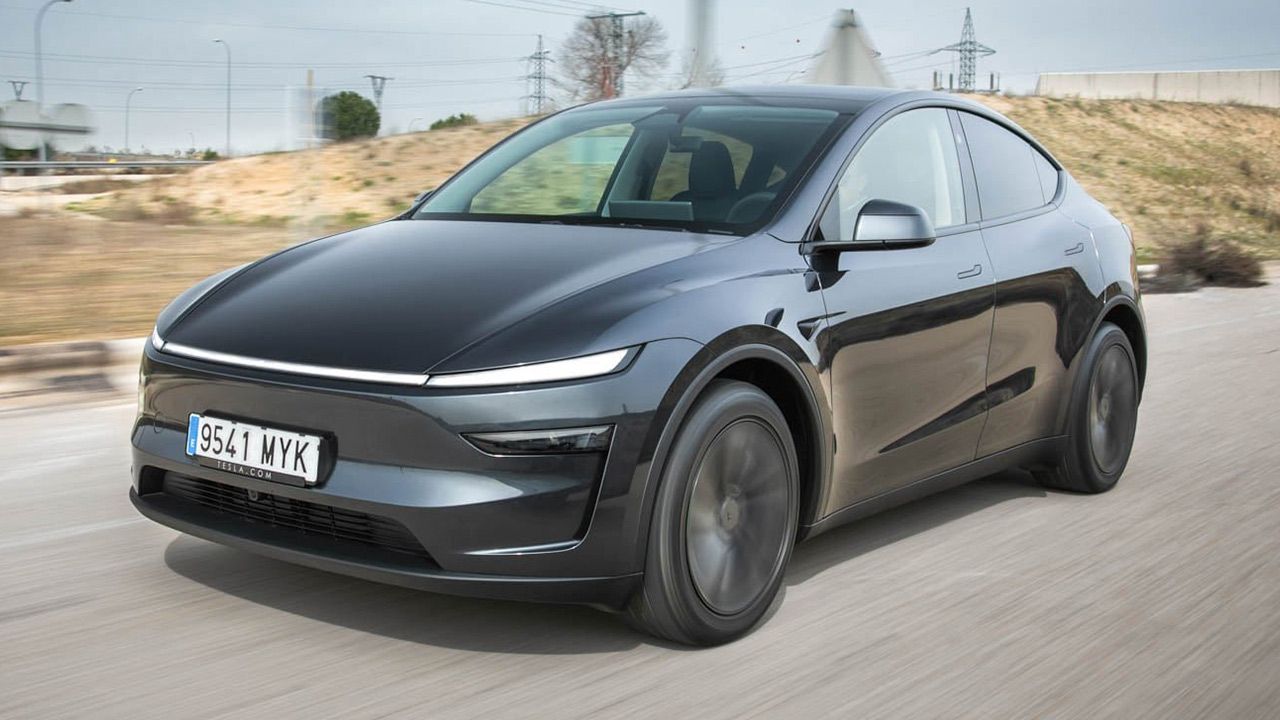

The most followed reliability report in Europe once again puts Tesla in a bad light. The TÜV Report 2027, prepared with the results of 9.7 million technical inspections conducted in Germany between July 2025 and June 2026, places the Tesla Model Y as the worst car among those 2 to 3 years old: 18.5 % of the units do not pass the review.
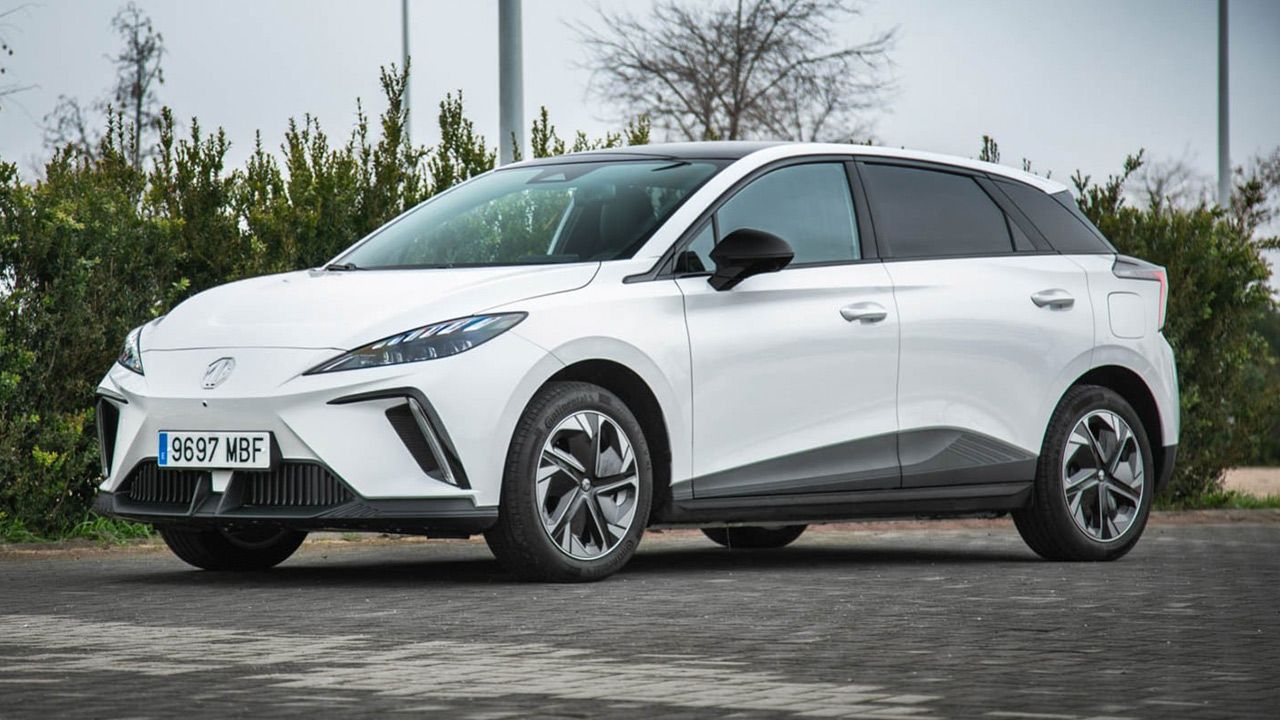
It is not alone at the bottom. The MG4, the first passenger car from a Chinese manufacturer to enter the report, debuts in second to last place, while the Tesla Model 3 is third to last. These are three electric vehicles that are very present on Spanish streets, but the data has a small print: half of the category winners are also electric.
Tesla Model Y, last of 109 models in its first inspection
In Germany, the periodic technical inspection (the Hauptuntersuchung, equivalent to our MOT) is first passed at three years. The TÜV Report ranks models according to the percentage of cars with serious or dangerous defects, meaning those that fail. The average for the 109 models aged 2 to 3 years is 6.4 %.
The Model Y nearly triples that figure. Its 18.5 % worsens by 1.2 points compared to last year’s result and is, according to the TÜV, the worst figure recorded in this age group since 2015. The failures are concentrated in two areas: defects in the axle suspension appear 24 times more than in comparable cars, and brake discs fail in 3.4 % of cases, compared to an average of 1.0 %.
There is a mitigating factor to consider. The Model Y arrives at its first inspection with an average of 58,000 km, while the rest of the cars of its age average around 47,000 km. It is used more, and that is noticeable in the wear elements. Nevertheless, the difference in mileage is not enough to explain a failure rate three times higher than average.
| Position | Model (2 to 3 years) | Cars that fail |
|---|---|---|
| 1st | Mazda CX-60 | 2.3 % |
| 2nd | Mercedes GLA | 2.9 % |
| 3rd | Mazda MX-30 (electric) | 3.0 % |
| 5th | Audi Q8 e-tron (electric) | 3.2 % |
| 6th | Mini Cooper SE (electric) | 3.3 % |
| 8th | Mercedes EQA (electric) | 3.5 % |
| Average of the 109 models | 6.4 % | |
| 107th | Tesla Model 3 (electric) | 12.5 % |
| 108th | MG4 (electric) | 16.0 % |
| 109th | Tesla Model Y (electric) | 18.5 % |
The MG4 debuts second to last: brakes, its weak point
The debut of MG in the report has not been good. The 16.0 % of the MG4 fails its first inspection, doing so with fewer kilometers than average: 37,000 km, ten thousand less than the overall average for cars of its age. Here, the argument of intensive use does not hold.
The problem is mainly with the brake discs, with defects in 10.3 % of units, ten times the average. The suspension also performs poorly, with 2.7 % compared to the usual 0.5 %. Discs are a known weak point in many electric vehicles: regenerative braking means they do not work much, and a disc that is hardly used rusts sooner.
The problem is not the electric car: three of the six winners are
Reading this report as a rebuke to electric cars would be a mistake. The TÜV Report 2027 includes 26 electric vehicles among the 109 models aged 2 to 3 years, more than ever, and several are at the top. The Mazda MX-30 is third in the overall ranking, and the Audi Q8 e-tron, Mini Cooper SE, and Mercedes EQA are among the top ten.
In fact, three of the six category winners are pure electric. And none of the failures that sink Tesla and MG are related to the battery or the motor: they are suspension and brakes, traditional mechanics.
| Category | Winner | Cars that fail |
|---|---|---|
| Microcars | Smart Fortwo EQ (electric) | 4.3 % |
| Urban cars | Mini Cooper SE (electric) | 3.3 % |
| Compact cars | BMW Series 1 / Series 2 | 3.6 % |
| Midsize sedans | Hyundai Ioniq 5 (electric) | 4.2 % |
| Minivans | Mercedes Class B | 3.6 % |
| SUV | Mazda CX-60 | 2.3 % |
With the years, the Tesla Model 3 gets worse
The report now allows tracking the evolution of older electric vehicles, and there the Tesla Model 3 presents another uncomfortable reading. Its failure rate rises from 12.5 % in the first inspection to 21.1 % in the second and 27.9 % in the third, making it the last in its group among cars aged 6 to 7 years.
Also here it is not appropriate to generalize. Among electric vehicles aged 4 to 5 years, 12 of the 18 evaluated models improve the average of 10.2 %, with the Audi Q8 e-tron leading the pack (3.3 %) and good results for the Peugeot e-2008 (5.5 %) and the Renault Zoe (5.7 %). And for the first time, there are enough data for an electric vehicle with nine years: the Renault Zoe fails in 23.0 % of cases, compared to the 17.4 % average, again due to suspension and brakes.
Mazda repeats victory with CX-60 and Mercedes leads in durability
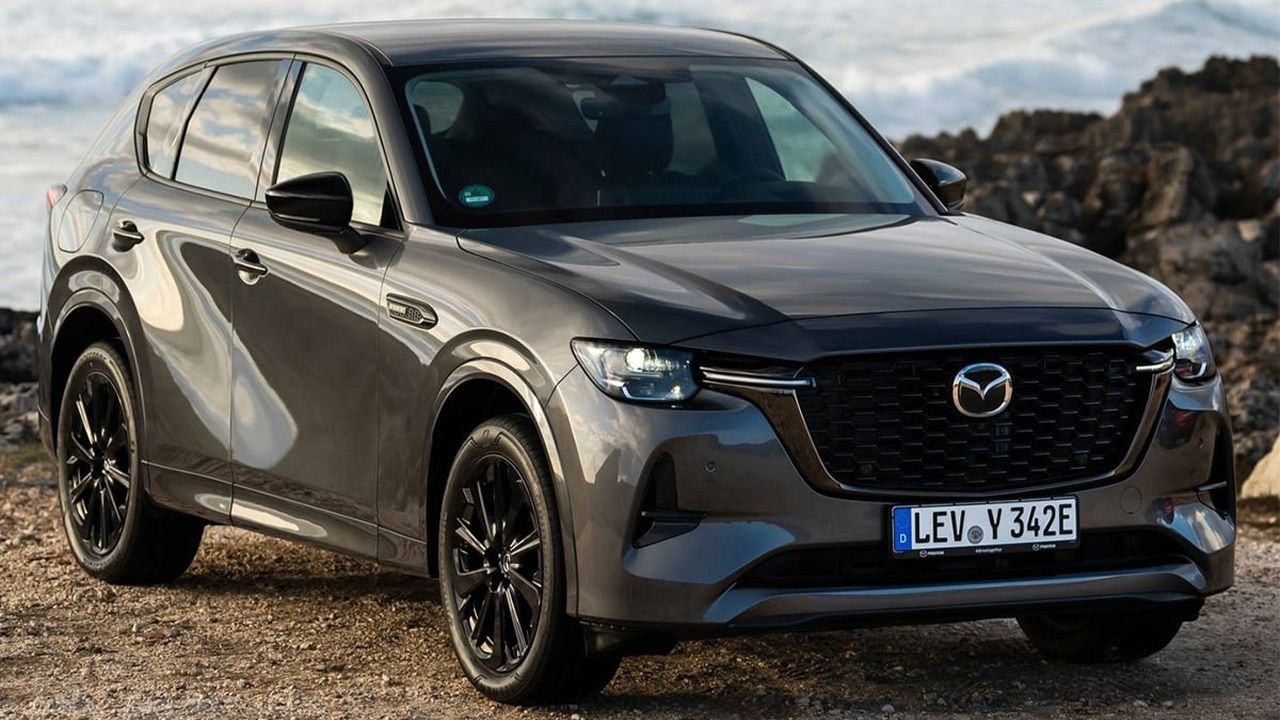
At the other end of the table, the Mazda CX-60 is the car with the fewest defects in the report: only 2.3 % fail. This is the second consecutive victory for the Japanese brand, which last year won with the Mazda2. It is followed by the Mercedes GLA (2.9 %) and the already mentioned Mazda MX-30.
Among older cars, the Volkswagen T-Roc is the best at both 6 or 7 years old and at 8 or 9. At 10 or 11 years, the Mercedes GLA and Volkswagen Golf Sportsvan tie (13.5 %). By brands, those that age best at that age are Mercedes (18.0 %), Toyota (18.7 %) and Audi (19.6 %).
One in five cars fail, and the fleet continues to age
The overall picture is not something to boast about. 20.9 % of all inspected passenger vehicles present serious or dangerous defects, 0.6 points less than a year ago. "The slight decrease in the defect rate seems positive, but we cannot speak of a trend change," warns Joachim Bühler, managing director of the TÜV association.
The explanation lies in the age. The average German car is now 10.9 years old (it was 9.0 in 2015), and failure rates soar over time: 10.2 % at 4 or 5 years, 21.9 % at 10 or 11, and 38.7 % from 20 years on. That is why the TÜV calls for adapting the inspection to current cars, with specific tests for the high voltage system in electric vehicles, a standard method for measuring battery health and a real check on the driving assistants.
A Tesla or an MG is not a bad car for being electric, but nearly ten million inspections say it is wise to check their brakes and suspension before the inspector does.

* This news is an AI translation of the original content. Motenic.com is part of Motor.es.