
In 1977, some workers occupied their factory after being fired and discovered a collection of 122 Bugatti
The story of the Schlumpf brothers is one of the most curious among those related to the classic models of the Molsheim brand.
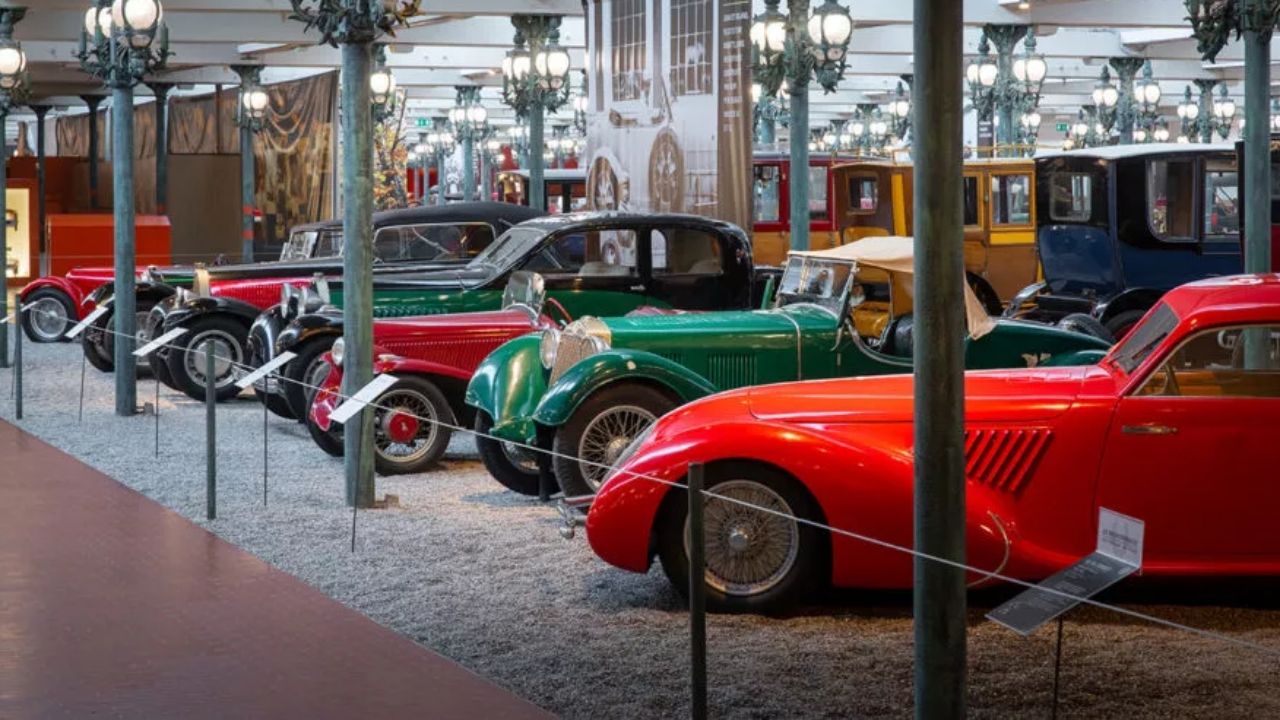

Nowadays, an original Bugatti - that is, not the one from the current Rimac-owned Bugatti, which was previously owned by the Volkswagen group, nor the one that Romano Artioli revived for a few years, but the original from Ettore Bugatti - is a gem and a rarity that makes a unicorn beside it seem as common as a Citroën C15 in a village. A family managed to accumulate over a hundred, incredible as it may seem.
The Schlumpf family is the main character in this story. They built an empire in the textile industry in Alsace, in northern France, after Fritz had raced at an amateur level with a Bugatti he bought in 1936. In the mid-fifties, Fritz Schlumpf (as well as his older brother, Hans) began acquiring Bugatti models from the 30s, which were already luxury cars at that time. They had also been seen in races and, in fact, the brand won the 24 Hours of Le Mans in 1939 with the Type 57C Tank and Jean-Pierre Wimille and Pierre Veyron at the wheel.
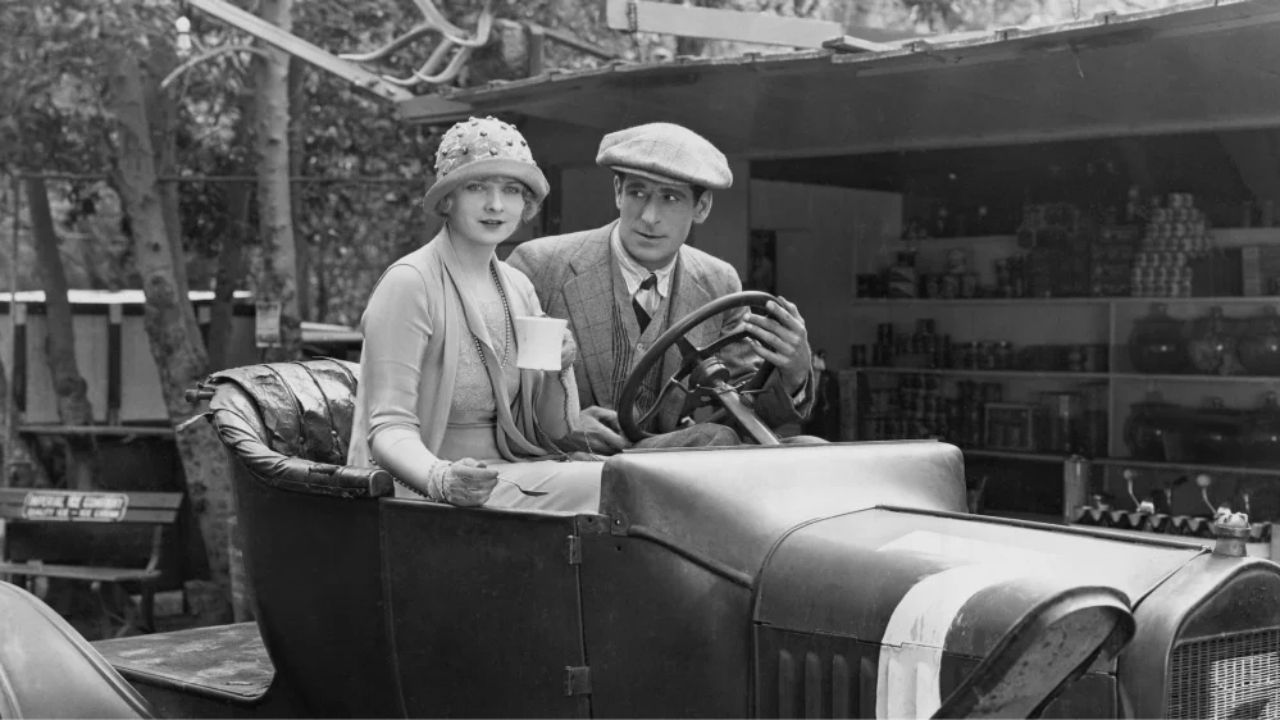
The Schlumpf family began collecting Bugatti in the 50s
At that time, they were antique luxury cars, even the Type 55 or Type 57S, at a moment when Ferrari, Lotus, Aston Martin, Jaguar, Mercedes, and other brands, both British and from other parts of Europe, were gaining more prominence. The Schlumpf acquired many, many Bugatti units, which they stored in a textile factory in Malmerspach, at the foot of the Col de Bussang, near Epinal and Mulhouse.
What they were storing could make several museums envious: Daimler-Benz lent them a 300SLR competition car after the brand's racing program ended following the 1955 Le Mans disaster. When the original Bugatti closed its doors, the Schlumpf kept all the cars they could from the factory, in addition to restoring those they had bought second-hand. Similarly, when Gordini closed its factory, its official cars went to this entirely private collection, which was later moved from Malmerspach to another warehouse in Mulhouse.
They stored hundreds of cars until a crisis derailed their plans
However, in the seventies, a crisis in the textile sector (due to the oil crisis) hit France, affecting the Schlumpf. Later, it was discovered that the family had devoured government subsidies to buy more cars, which constituted a crime of misappropriation of public funds. They left the country heading to Switzerland, leaving about 1,800 employees jobless. They decided to occupy the main factory, which was in Mulhouse.
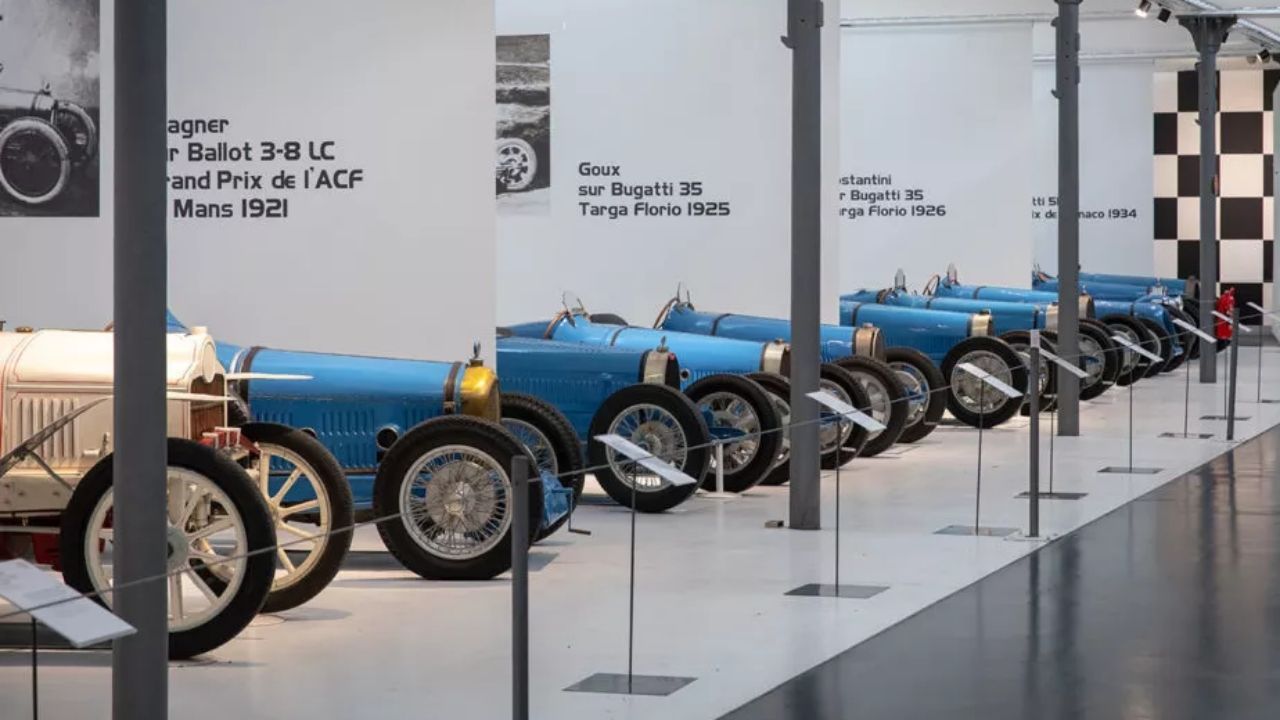
And that was where they discovered the great treasure of the Schlumpf: indeed, they were creating a huge museum within the premises of the textile plant, in one of the old shops. There were the cars that many people longed to see and for which they had chased Fritz - who had been spotted at some Formula 1 grand prix. A total of 427 cars in a single room, decorated in such a way that it looked like a theater, of which 122 were Bugatti, including a 1929 Bugatti Type 47 with its enormous 16-cylinder engine and double supercharger.
An enviable collection, even forgotten competition cars
Street cars, Grand Prix era cars, steam vehicles from the dawn of automaking (that is, from the 19th century), even two Bugatti Type 251, the only Bugatti that has competed in Formula 1, driven by Maurice Trintignant once in the 1956 French Grand Prix. One unit was ready to roll, while the other had the body removed so that it was possible to see the engine and both axles, using the concept of a De Dion axle both front and rear.
Not everything was Bugatti: there were also Maserati, Alfa Romeo, Ferrari, Talbot-Lago models, the Gordini taken from the factory, Mercedes-Benz models including from the Grand Prix era… even some of the first Renault and Citroën in history, as well as defunct and much lesser-known brands like Amilcar or Salmson. In total, it is believed that the collection amounted to around 580 vehicles in total.
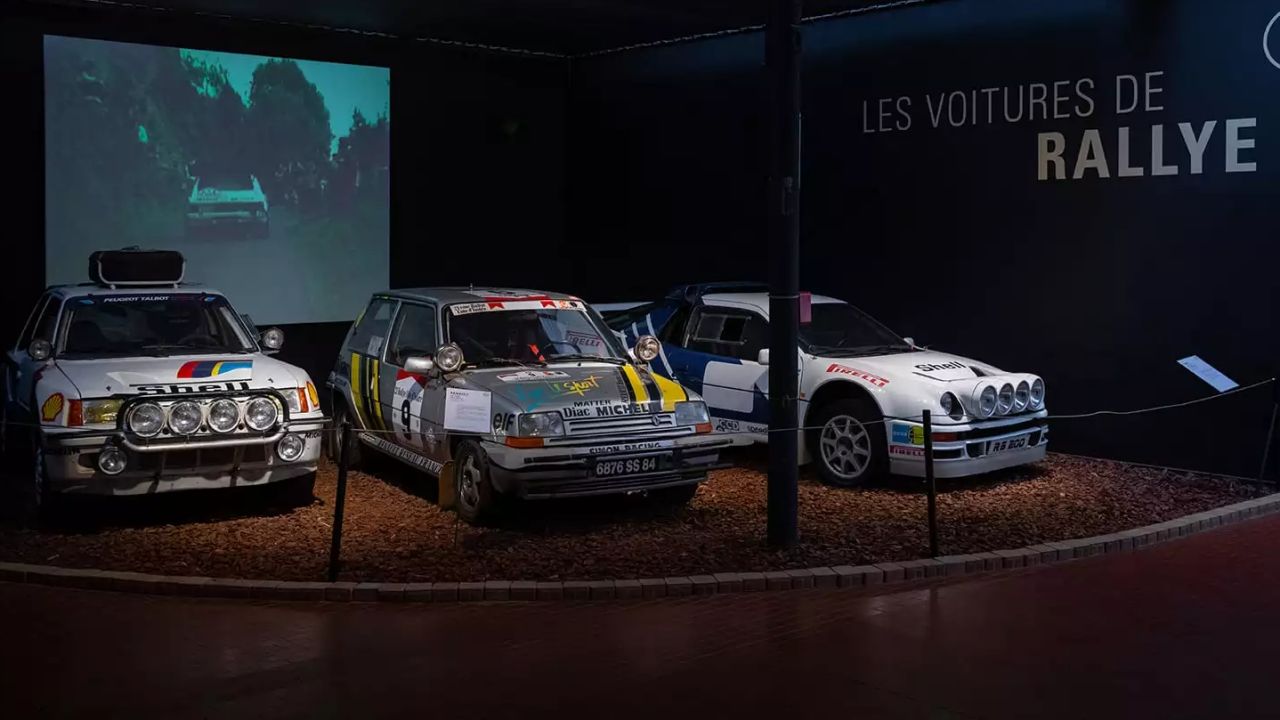
The result was the National Automobile Museum in Mulhouse
When the workers found all this in 1977, the Schlumpf had left and had left everything behind. They kept the museum and opened it to the public, so they could raise funds for the cause in search of recovering their jobs and livelihood. In 1979, a legal process began in which the Mulhouse court authorized the sale of the museum to an association, joining with the local council, its Chamber of Commerce and Industry, the Haut-Rhin department, and the Alsace government, as well as the Salon de l’Auto and Panhard association.
The result of all this was the National Automobile Museum that exists today, one of the largest collections in all of Europe. Period, street, and racing cars, grouped under the museum that has been owned by Culture Espaces SA since 1999. In 2011, they added a racetrack outdoors for car exhibitions.
Add us as a preferred source on Google and don't miss anything from Motenic.com

* This news is an AI translation of the original content. Motenic.com is part of Motor.es.
Fuente: Motorsport Magazine