
From convicted to acquitted after driving at 228 km/h: the trip to the hospital that ended in court
A driver was caught by a radar traveling at 228 km/h. Although he was initially sentenced for a road safety offense, justice has sided with him due to the following circumstances.
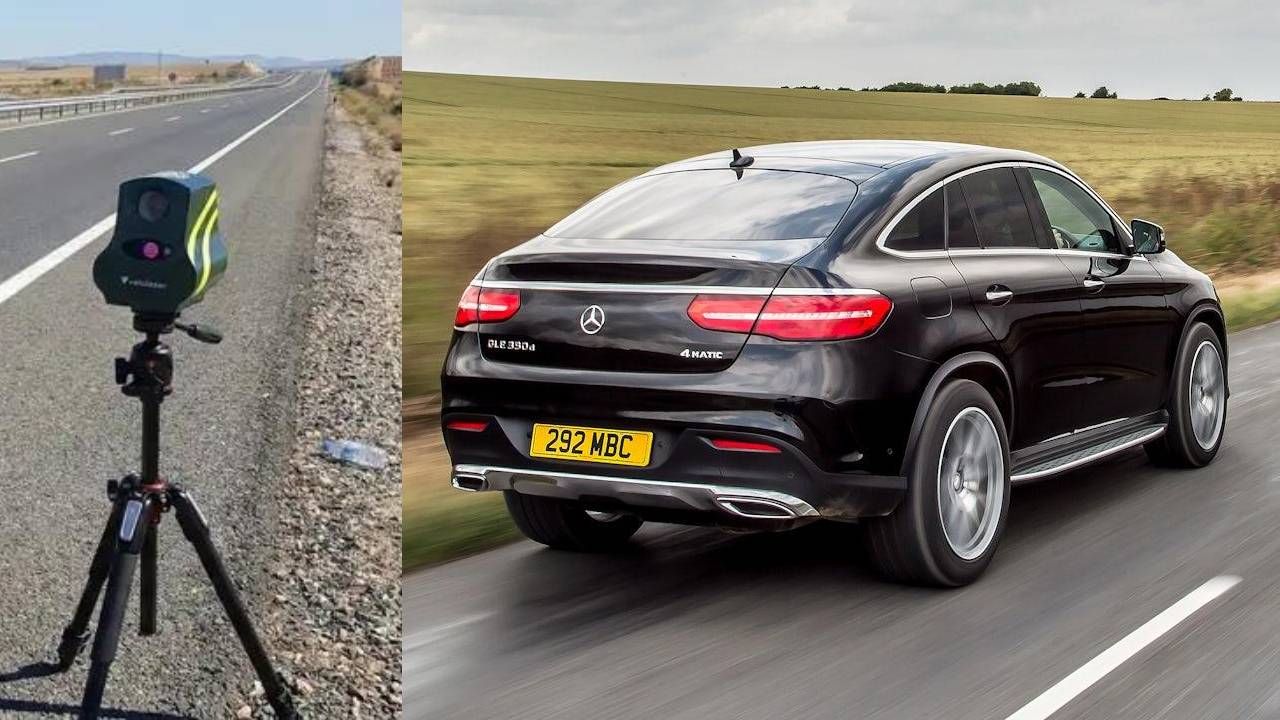

The Provincial Court of Cuenca has reversed the initial sentence against the driver of a Mercedes GLE 450d who was caught traveling at 228 km/h in April 2025. However, the circumstances at that time have completely changed the court ruling.
The driver was traveling at that speed to urgently take his sick daughter to a hospital. The latest ruling takes into account the exceptional situation of necessity that led the father to drive his vehicle at such speed.
Initial offense against road safety
The events occurred on April 17, 2025, when a man was traveling with his wife and their 11-year-old daughter from Valladolid to Cuenca. At one point during the trip, the minor began to experience very severe pain, prompting her parents to rush her to Albacete Hospital.
The fact is that the girl had been suffering from a very serious illness for more than five years: metastasis in the spine and complete loss of vision, having undergone four neurosurgery procedures in recent years, chemotherapy treatments, and experiencing frequent episodes of headaches and back pain.
And that’s what happened that day last year, when the minor began to experience severe back pain, nausea, and great agitation. The parents, fearing that their daughter was suffering from something serious, decided to increase their speed.
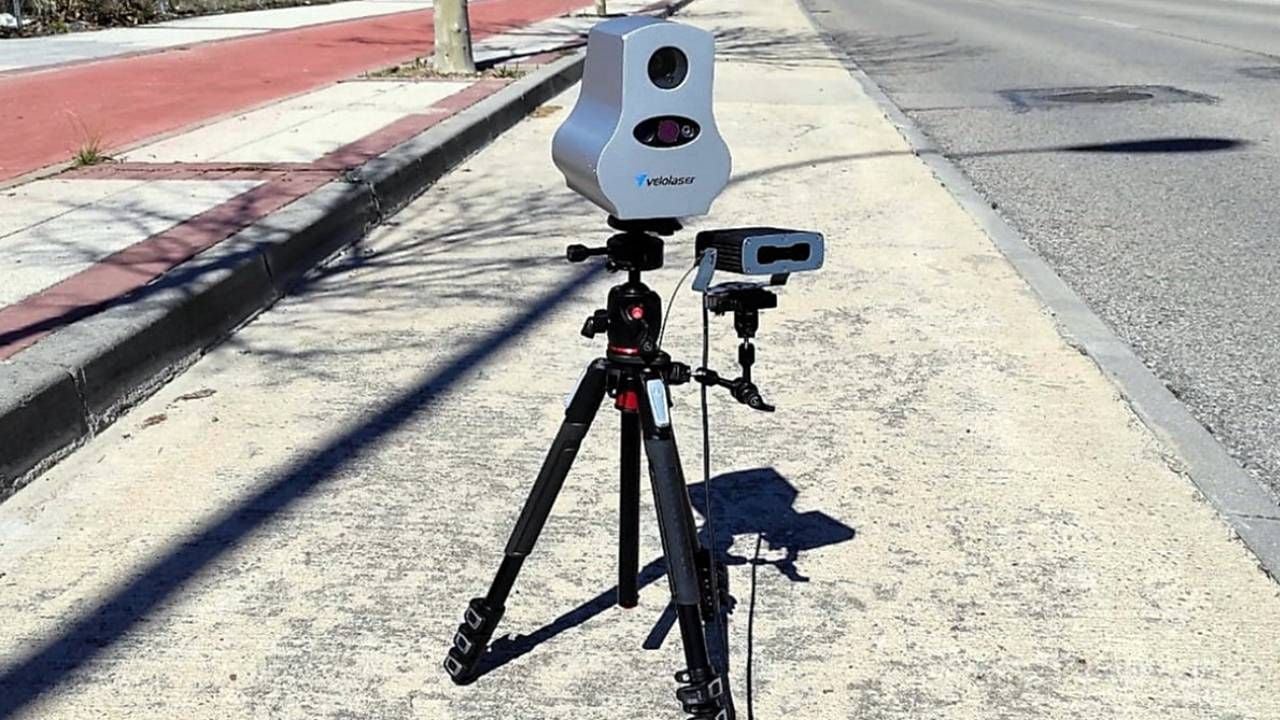
And so it was that a Velolaser radar from the Civil Guardcaught them at 228 km/h on a road limited to 120 km/h, although applying the margin of error, the final speed was 218.88 km/h. The case was taken to the Criminal Court Number 1 of Cuenca, which established the original ruling on June 26, 2025.
The driver was sentenced for a road safety offense, according to article 379.1 of the Penal Code, with a financial fine of 1,620 euros (nine months of fines, with a daily fee of 6 euros) and suspension of the driving license for 1 year and 1 day. As you can imagine, the father and driver appealed the sentence to the Provincial Court of Cuenca.
The judge's change of opinion
Although the Prosecutor's Office opposed the appeal and requested that the conviction be upheld, the Provincial Court of Cuenca has now considered that there was an exceptional situation of necessity, according to the new ruling of September 15, 2026.
Here, article 20.5 of the Penal Code has been applied, which establishes the so-called exemption of state of necessity, which stipulates that a person may be exempt from criminal liability when committing a criminal act to avoid an external or personal harm, provided certain conditions are met.
The law states that the harm caused must not be greater than that which is intended to be avoided, that the situation of necessity must not have been intentionally provoked, or that the person acting does not have an obligation to sacrifice themselves due to their position or profession.
In this specific case, justice has considered that the health and physical integrity of the girl were in danger, and that the parents had more than reasonable grounds to believe it could be something serious.
And although the minor was eventually treated for pain in the area of the metastasis in her back, without particularly serious complications, the Court considers that the fact of ending up “with a scare” does not mean that the parents' concern was unjustified.
However, the ruling of the Provincial Court of Cuenca is not final and there is still the possibility of a cassation appeal to the Supreme Court.

* This news is an AI translation of the original content. Motenic.com is part of Motor.es.
Fuente: Poderjudicial.es