
The 2028 Renault Mégane will change its recipe and place the engine behind, away from the formula of the 5 and the Twingo
The future of the C segment icon is linked to the development of the RG EV Medium 2.0 platform, which will also be the basis for both the next generation Scénic and the electric Rafale.
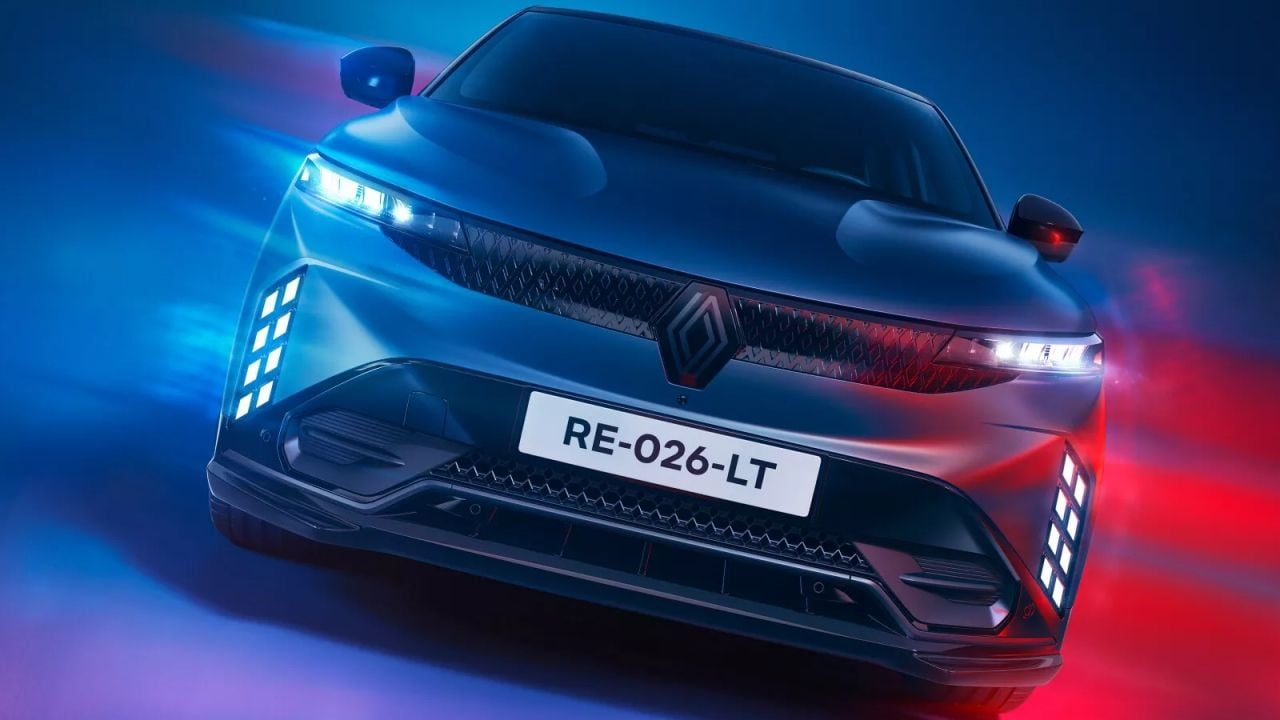

The Renault Mégane has been active for five generations since its appearance over 30 years ago, replacing the Renault 19 with a recipe for every customer (hatchback, sedan, family body styles and the attractive Mégane Coupé and Cabrio). This recipe is going to change with the next generation, which we expect for 2028 and which will be based on the RG EV Medium 2.0 platform from the diamond brand.
During this year we have seen how Renault changed part of its recipe of the current Mégane E-Tech. Now the battery of the entry-level model is LFP chemistry with a capacity of 67 kWh compared to the previous version with NCM chemistry with 60 kWh (in addition to a higher level with NCM battery of 89 kWh). This way it gains a bit more range (from 430 to 467 km in WLTP mixed cycle).
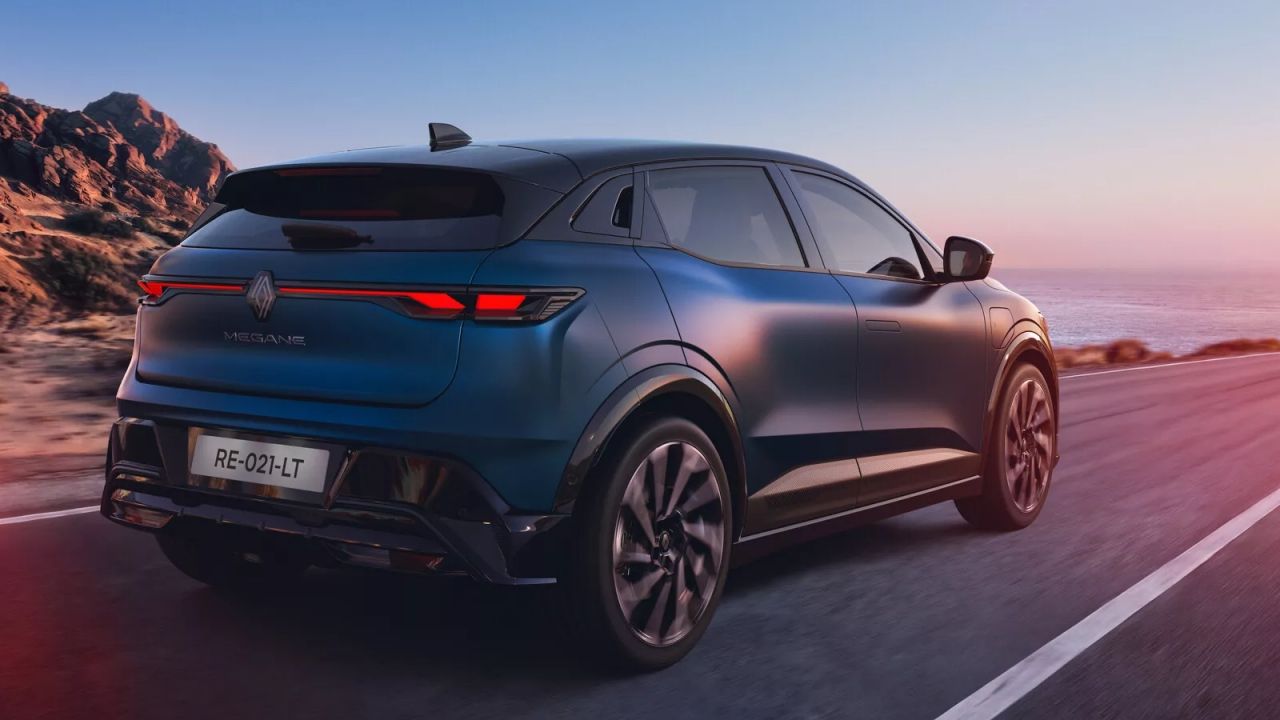
The Renault Mégane will change significantly for 2028
But Renault wants to do things differently with the next Renault. First, it is expected to be different aesthetically compared to the current model, a kind of hatchback with a very raised waistline that is very different from the sporty model we knew in the previous generation. A car that seemed much closer to the spacious Scénic, although it maintains compact proportions with its 4.2 meters in length (in the case of the Scénic it is 4.47 meters).
The car has notably improved its performance and offer since its launch a few years ago, but it is not a car that has gained traction like other electric vehicles on the market - in addition to the fact that the fleet of electric cars by the end of 2026 bears no resemblance to the existing offer five years ago. Therefore, Renault is already working on the next Mégane at the brand's Technocentre in Paris.
The electric motor will move to the rear axle with the new platform
The biggest novelty is that the motor moves from the front axle to the rear, as part of the adoption of the RG EV Medium 2.0 platform. This means it will go underneath the rear seats, managing to reduce the weight and the necessary wiring in such a way that it can lighten weight while limiting costs per unit produced. A way to gain more for each unit sold, which they are paradoxically achieving more in smaller cars than in larger ones.
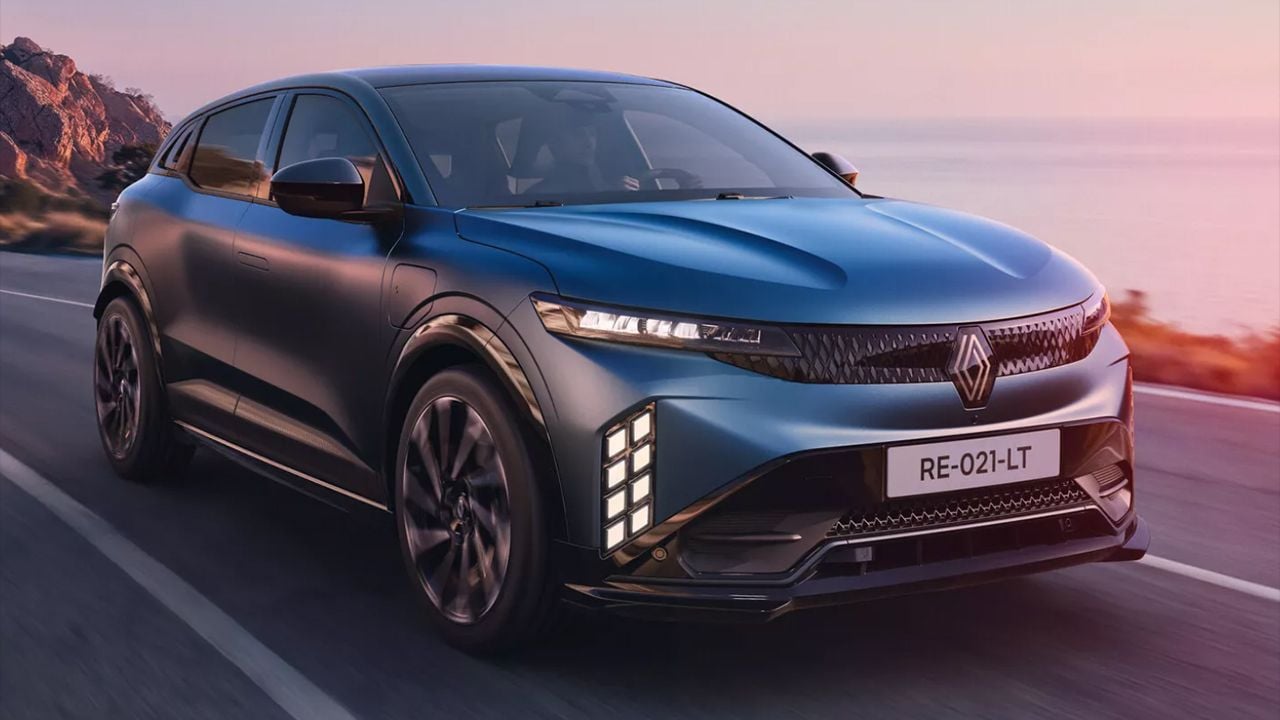
«Front-wheel drive is problematic for driving, height, and handling, it was very difficult to tune the current Scénic and Mégane,» said technology chief Philippe Brunet to the British media Auto Express. This platform will also be used in the future generations of the Scénic, as well as the Rafale that will also have a 100% electric variant.
It will not be a retro-looking car, like other Renault successes
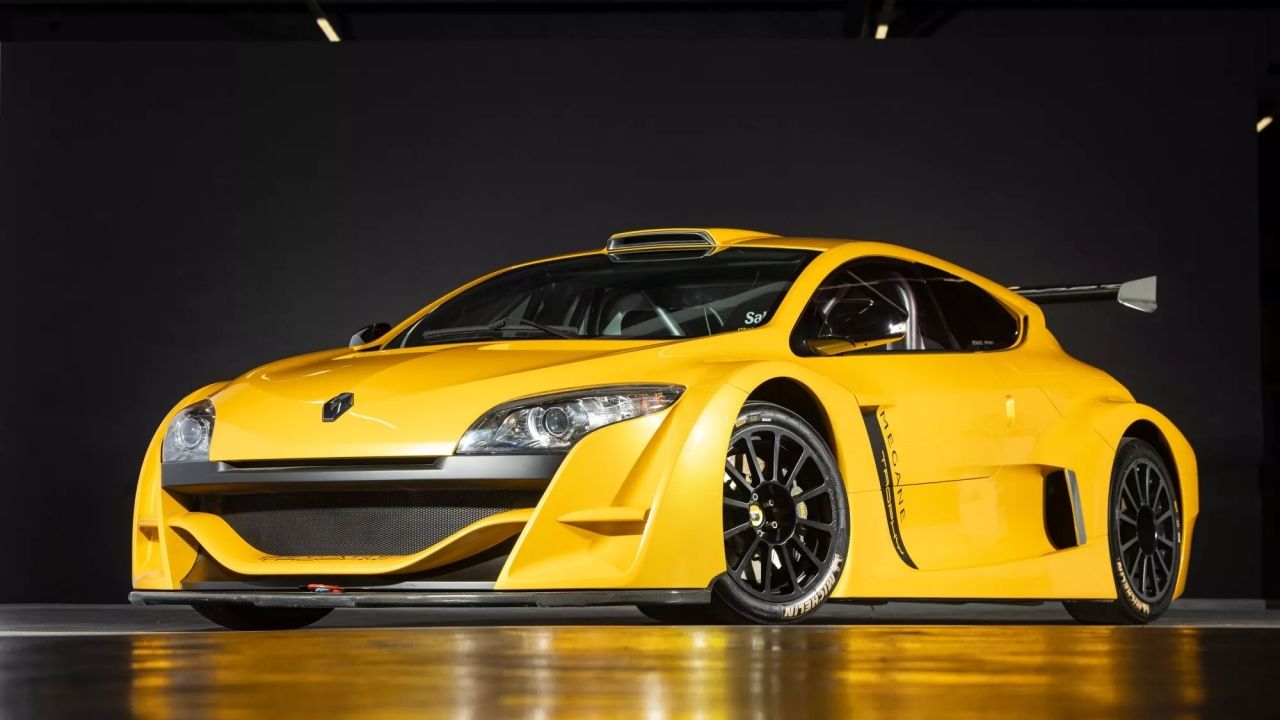
These platforms will be able to provide more freedom in designing models, without having to resort to SUV height as we have seen in the Renault 8 Gordini Concept or the Alpine A310 Vision. This leads us to its look. Could we see a retro shape, a return to the style of the original Mégane or the Mégane Coupé that many fell in love with in rallies with that Maxi Kit Car version or those Mégane Supercopa and Mégane Trophy on circuits?
It does not seem to be the case: Renault seems to be aiming to separate it from the ‘retro’ Renault 5 E-Tech, Twingo E-Tech or Renault 4. According to their design chief, Laurens Van den Acker, «the design language is going to be more subdued. As you have seen in the E-Space, it’s very modern, but controlled at the same time. When the product is more expensive, cars have to become more timeless. We want to make the cars a bit more serious… but at the same time we are a Latin brand. Not as cold as the Germans or as hot-blooded as the Italians,» he stated.
More power and all-wheel-drive versions
It is expected that cars based on this platform will be offered both with a 100% electric variant and with an extended-range electric (E-REV), with a combustion engine. The BEVs aim for around 750 km of range, according to Renault's promise, while the E-REVs (series hybrids) aim to achieve around 1,400 km of range.
It is also expected that power will increase, with an electric motor raising the performance from 220 hp and 300 Nm of the current Mégane E-Tech to 275 hp and 350 Nm, in addition to all-wheel-drive versions. Not to forget that Renault's factories in Spain, the one in Valladolid and Palencia, will have a lot to do with the future of the brand's electric cars as they already have future models assigned.

* This news is an AI translation of the original content. Motenic.com is part of Motor.es.
Fuente: Auto Express