
They Disassemble a Chevrolet Engine and Find the Oil-Bathed Belt Shredded and the Twelve Valves Bent
The 1.2 three-cylinder engine had barely 135,000 km, much less than what the manufacturer specifies for the change.
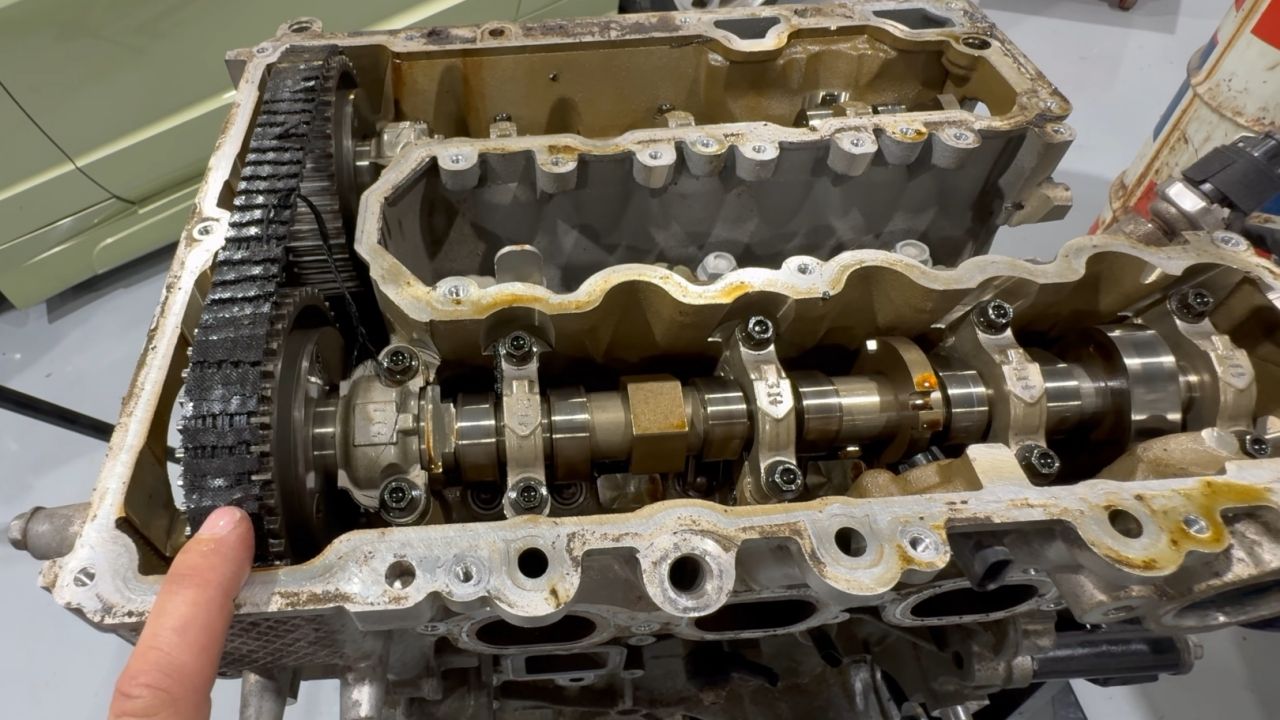

Like other well-known manufacturers in Europe, General Motors has also recently used a 1.2 turbocharged engine with an oil-bathed belt for several models marketed in the United States. And curiously, a complicated case has also been found precisely concerning the timing belt, as seen in detail on the Youtube channel I Do Cars.
This engine is used in Chevrolet models such as the Trailblazer and Trax or the Buick Envista and Encore GX. It is specifically a LIH engine that is sold only in North America, originating from the CSS Prime engine family - the last developed with the help of General Motors' European division, which was left with PSA when they bought Opel and Vauxhall back in 2017 before forming the Stellantis we know today.
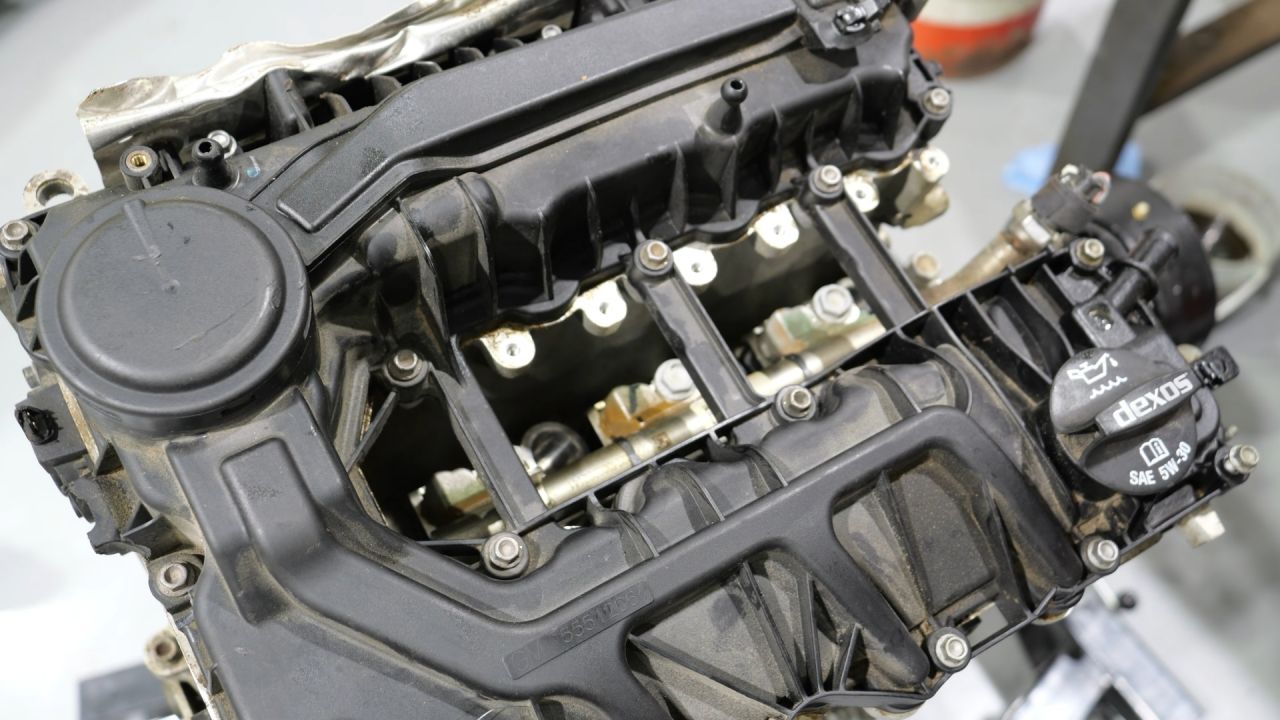
A Chevrolet Engine Found with the Oil-Bathed Belt Shredded
The engine used in these four crossovers (the Trailblazer with the Encore GX and the Envista with the Trax, also related to the Opel Mokka) is a 1.2 three-cylinder that delivers about 137 HP of power and 219 Nm of torque. It uses the famous oil-bathed timing belt concept that we have also seen in European PureTech engines, as well as in engines manufactured by Ford and Volkswagen. It is usually coupled to a CVT gearbox, according to Chevrolet itself.
On November 15, I Do Cars uploaded a video where they opened this engine, taken from a 2021 Chevrolet Trailblazer. The belt was destroyed, the valves (4 per cylinder) were bent in all three cylinders, and the pieces of the belt had become lodged in such a way that they obstructed the oil pump, resulting in barely any oil circulating in the assembly to lubricate the moving parts.
The Fibers from the Belt Blocked Oil Circulation
The source of the problem was undoubtedly the destruction of the belt. On one hand, the teeth of the belt began to break and shed their pieces, which ended up blocking oil lubrication. On the other hand, as it broke, the pistons hit the valves directly, which explains why they ended up bent as seen in the video, which is a chain reaction (but with a belt).
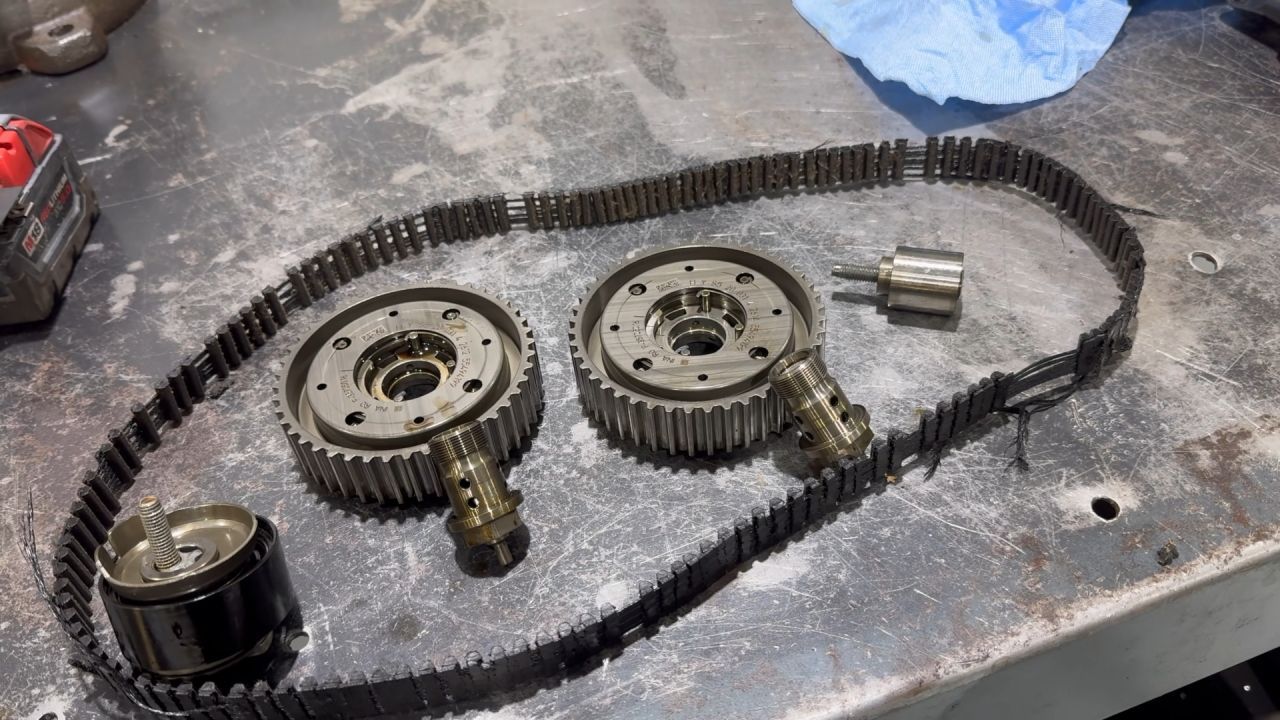
Interestingly, according to the manufacturer, the timing should be done every 150,000 miles (241,402 km) or 15 years, whichever comes first. This engine is from a car that is 5 years old and had covered about 84,000 miles, equivalent to almost 135,200 km. In other words, according to the manufacturer's indication, it was around half of its useful life - and yet, it was the reason why the engine was inoperative in that state.
A Case That Joins Other Documented Reliability Issues
The positive side is that the inside of the cylinder and the entire lower section of the engine were in good condition, so theoretically the engine could be salvaged. However, the repair could amount to up to 1,500 dollars in workshop bills, not counting other necessary expenses to restore the engine and be able to use it day to day. The downside is that, in recent years, customers of the Trailblazer have reported issues with the engine, drivetrain, brakes, and electrical system - in addition to the problems reported by GM related to both the oil pressure sensor and the CVT transmission.
According to the video's author, the usual practice with these engines is that they are not reused but are completely thrown away when failures of this type occur. Being a completely conventional engine, it raises once again what happens (and there are several cases on the other side of the ocean) in many modern combustion engines, pushed to the limit of engineering due to regulatory issues.

* This news is an AI translation of the original content. Motenic.com is part of Motor.es.
Fuente: I Do Cars