
Euro 7 will make new cars send data to Europe and will allow some hybrids to stop on their own
The new Euro 7 is getting closer and brings changes that go beyond emissions. Two novelties that no one tells buyers of new cars that are worth knowing.
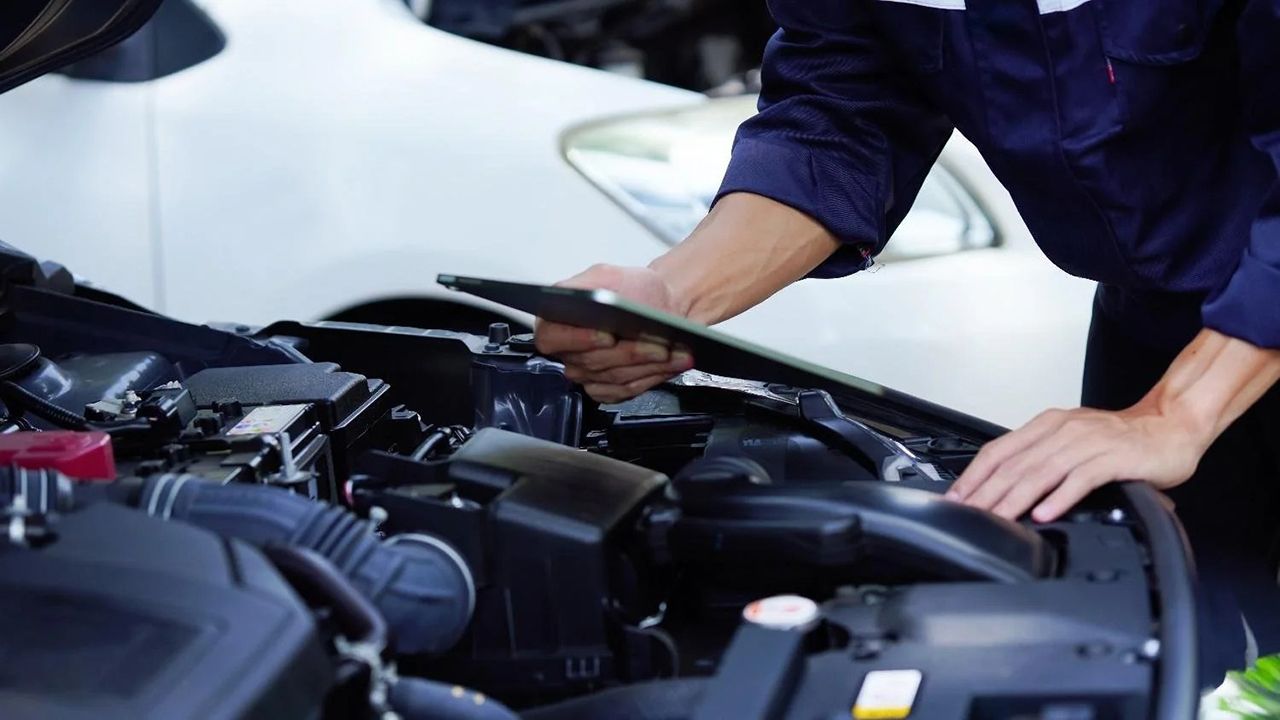

The new Euro 7 is approaching, and with it important novelties that are completely overlooked and are worth knowing, especially for those interested in buying new cars, whether they are combustion, hybrids, or electric.
The first has to do with the information that cars will collect during their useful life. The most modern will wirelessly send emissions and consumption data under real driving conditions. But the second novelty is even more striking.
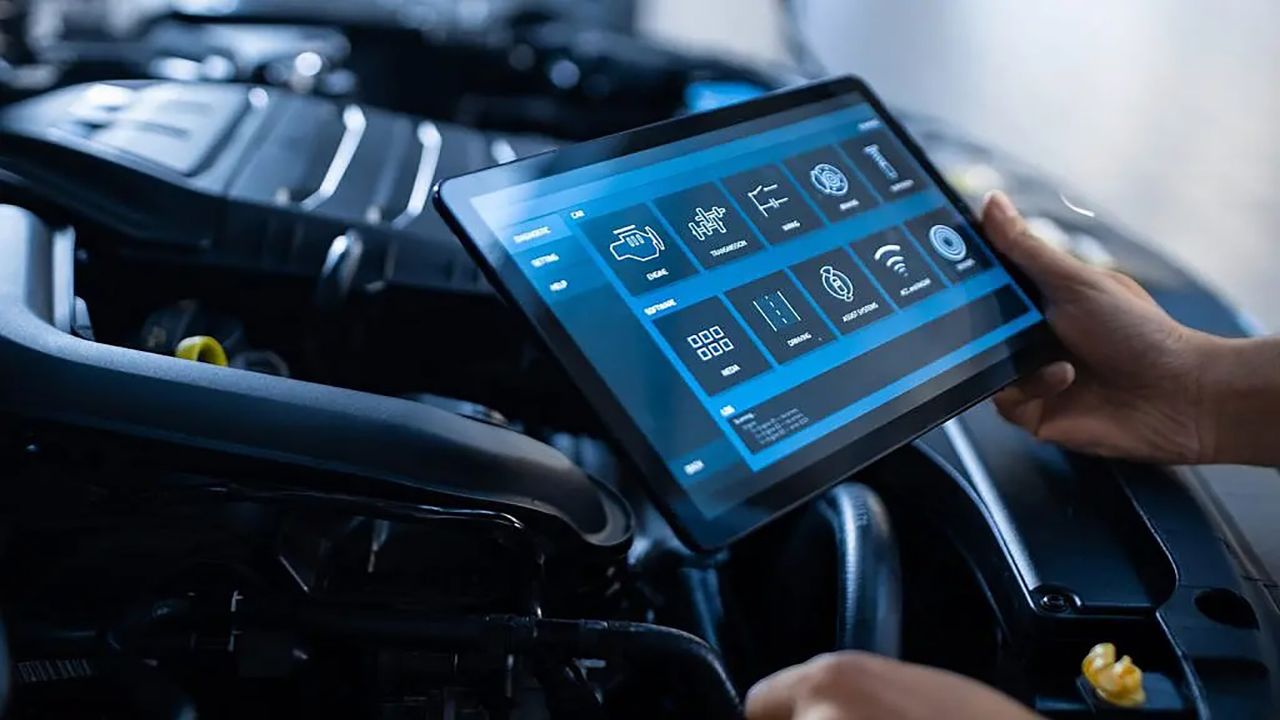
Your car will send information about what it consumes and pollutes
One of the great novelties of Euro 7 is the introduction of the OBM system (On-Board Monitoring). This constantly monitors the operation of the emissions control systems, checking that the vehicle meets environmental requirements during its useful life and detecting possible failures or manipulations that may cause increased pollution.
The system remains active during trips, from the moment you start until the trip ends. When the driver turns off the engine, it records the parameters corresponding to that trip, including the following:
- Nitrogen oxide (NOx) emissions
- Fuel consumption (and electric energy when applicable)
- Distance traveled
- Operating time
- Other driving conditions
- Proportion of journey completed without using the combustion engine
- Speed intervals
- Outside temperature
- Altitude
- Status and durability of the traction battery (only electrified)
Logically, PHEVs will record information related to the operation of their two propulsion systems.
Interestingly, the car will not send all trips
According to the technical system developed for the European Commission by the Graz University of Technology, one out of every 64 journeys is selected on average. In addition, the information is grouped into blocks of five trips before being transmitted via a wireless connection.
The manufacturer will receive the data first and Europe later
Here comes another detail that deserves special attention. The information will not travel directly from the car to Brussels. The first recipient will be the manufacturer, who will have the obligation to collect all OBM records received from their vehicles.
Subsequently, they must submit them in an anonymized form to the authorities' server. The Implementing Regulation (EU) 2025/1707 establishes that the information collected during a calendar year must be delivered before the end of the second quarter of the following year.
That is, the first delivery is expected before the end of 2027 and will include data corresponding to 2025 and 2026. The goal is for the authorities to use this information to check if vehicles maintain their emissions levels within the established limits and to detect possible non-compliance during their useful life.
Euro 7 also wants you to know your car's real consumption
Emission control is not the only information that will be collected. Euro 7 also includes the OBFCM device, which is responsible for recording the real fuel and electric energy consumption of vehicles. This technology is not completely new.
Cars have included consumption monitoring systems for years, and the European Commission already receives information collected by manufacturers. In fact, previous data showed that real consumption of vehicles was, on average, approximately 20% higher than homologated, with particularly significant differences in plug-in hybrids.
But the novelty introduced with Euro 7 is that these environmental data must be available to the driver, including information on accumulated consumption, emissions, and the state of health of the battery. The data stored by the OBM must be accessible via the OBD diagnostic port.
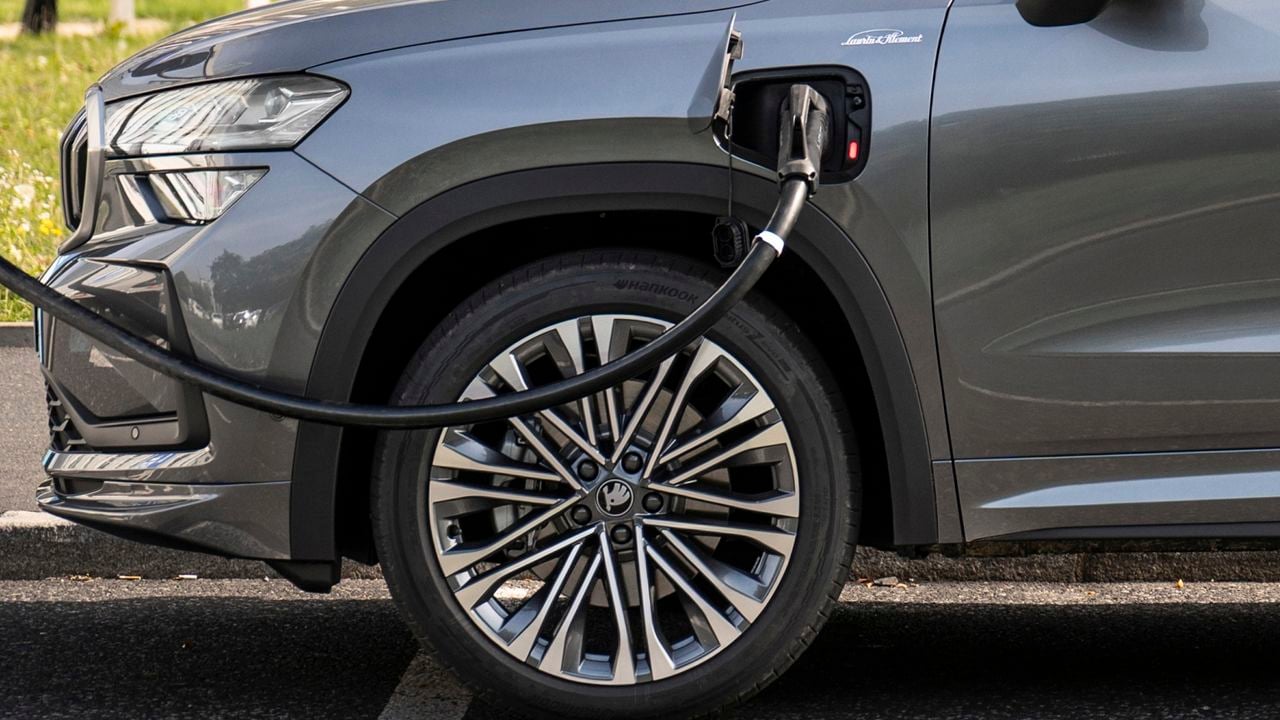
Euro 7G, hybrids that can stop if they do not recharge the battery
The second major novelty is quite surprising and has to do with the future zero emission zones. The regulation contemplates a voluntary option for manufacturers wishing to market vehicles Euro 7G.
This is not an obligation for all plug-in hybrids nor a new retroactive restriction. It is an option that manufacturers can choose for certain hybrid vehicles equipped with combustion engines and geofencing technologies.
Its operation is simple. The vehicle uses its navigation system to identify via geolocation when it is circulating within an area designated as a zero emissions zone. In that space, the system must prevent the combustion engine from functioning and ensure that the vehicle operates in electric mode.

Geofencing is imposed, another hurdle for PHEVs
The problem arises when the traction battery is almost empty. At that moment, the car must alert the driver to recharge it. If the driver does not do so within the next five kilometers after the first warning, the system must stop the vehicle, as long as it continues to circulate in zero emissions mode within the geolocated area.
Partly, this novelty is a response to a demand from manufacturers, unable to enforce charging for their plug-in hybrids. Consequently, brands proposed to Europe to reduce power. More recently, a BMW official also suggested the same line.
Furthermore, it will not be enough to install a geolocation system and consider it valid. Its operation must be demonstrated during homologation and verified throughout the vehicle's useful life. This is intended to prevent any software modification that could deactivate this function.
In short, Euro 7 not only aims for new cars to pollute less when leaving the factory. It also wants to check how they perform during their useful life. The most interesting thing will be observing these Euro 7G cars, whose background is perfectly visible: selling more electric vehicles and fewer plug-in hybrids.

* This news is an AI translation of the original content. Motenic.com is part of Motor.es.