
Clothing That Helps You Be Seen Can Confuse Automatic Braking: ADAC Discovers a Security Flaw
The German ADAC has issued a warning to manufacturers about a potential flaw in one of the most common ADAS, the pedestrian recognition and automatic braking system.
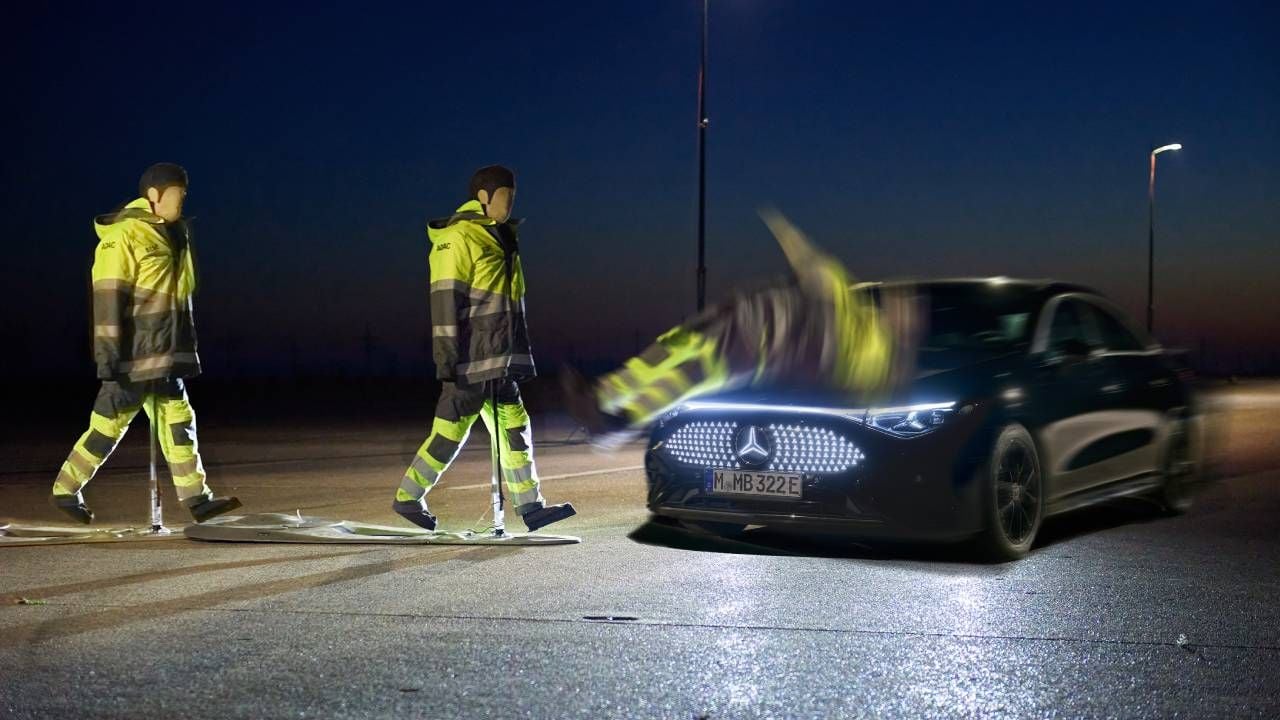

The ADAC is the largest automobile club and mobility association in Europe and often conducts its own tests to draw really interesting conclusions for drivers. The latest relates to the security of safety and protection assistants for pedestrians on the road.
Most modern cars incorporate ADAS that are capable of recognizing a pedestrian, even at night, and brake to avoid, whenever possible, a collision. However, the ADAC has detected a common flaw across several vehicles from different brands, which has to do with the type of clothing worn by pedestrians.
Reflective Clothing Fails the Test
This test may seem more important than it appears, especially at this time of year when the hours of darkness are greater on the road. Pedestrians more frequently wear reflective clothing to be seen on the road.
And let’s not misinterpret the ADAC test results: these garments are essential for being seen by everyone on the road, especially at night. The real problem comes from some next-generation cars that seem to have issues identifying pedestrians who are wearing this type of clothing, including children.
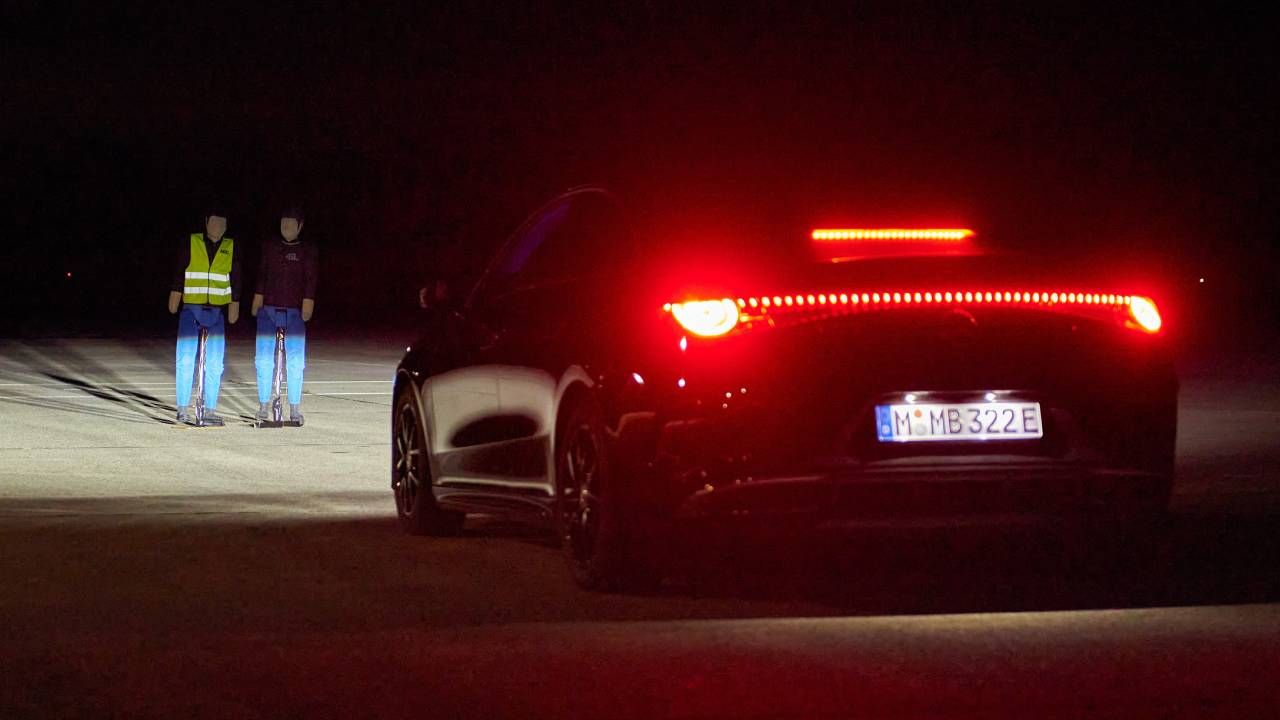
The German club's tests have found “surprising safety deficiencies” in the systems of the participating vehicles, which functioned correctly after dressing the test dummies in “normal” clothing, without being high visibility. There were also no issues with a standard reflective vest.
However, failures were detected with “standardized work clothing”, such as that used by emergency services, road maintenance teams, construction workers, police... And also with a child dummy dressed in reflective clothing and a school backpack.
Five Brands Fail the Test
The vehicles used in the test were a Tesla Model Y, a BYD Seal, a Hyundai Tucson, a Dacia Duster, an Opel Astra, and a Mercedes CLA. All of them, except for the latter, failed to detect the dummies dressed in reflective clothing.
The ADAC considers this flaw a major security vulnerability in a scenario they deem “relevant” in road traffic: “Since the problem seems to be less about hardware and more about the classification of road users, in many cases it should be resolved with a software update.”
For the German club, assistance systems like these are crucial for safety in new cars, but they are still not capable of performing driving tasks flawlessly or independently. With this type of ADAS, as we should all be clear, the driver is always responsible and must not take their eyes off the road.
Nevertheless, as mentioned before, the ADAC reminds us that high visibility clothing remains vital for all pedestrians, especially during the months with fewer hours of sunlight. There are still many cars without ADAS, so the benefit in terms of safety is considerably greater than the risk of an accident caused by an emergency braking system that does not react or reacts too late.
How the Emergency Braking System Works
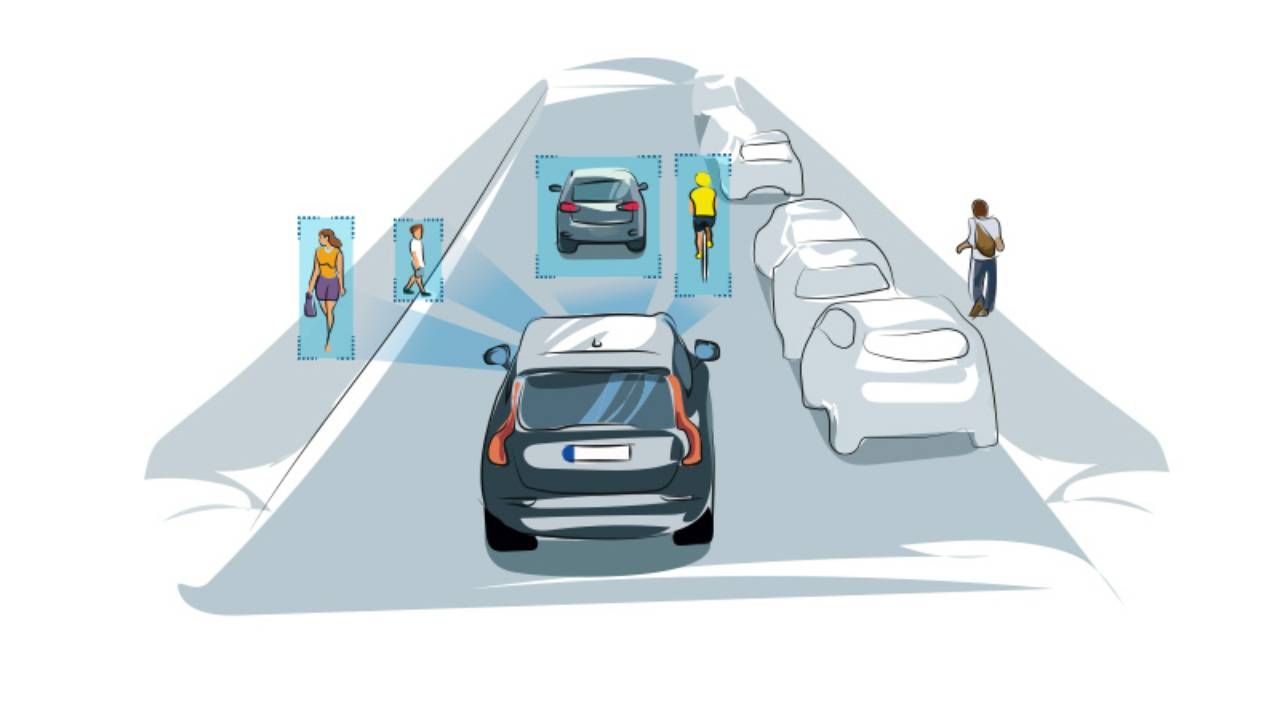
The so-called automatic emergency braking systems (AEB) use, mainly, cameras and radars installed in the car to detect potential obstacles on the road and avoid collisions.
Through artificial vision algorithms, they identify and classify road users: it is the software that combines the received information to determine if there is a collision risk and, if the necessary conditions are met, can automatically activate the brakes.
In the case related to reflective clothing, it is most likely that the reflective bands of this type of clothing can generate a visual pattern that hinders the identification of the human silhouette, or that the algorithms have not been trained sufficiently with pedestrians wearing this type of garments.
A standard reflective vest usually concentrates its bands on the torso, but work clothing of road workers or the clothing and backpacks of children, for example, can also carry them on the legs and other areas.

* This news is an AI translation of the original content. Motenic.com is part of Motor.es.
Fuente: ADAC