
Ten EU Countries Open the Door to Tesla's Old FSD, Now with a Less Ambitious Name
Latvia and Slovakia join the list of countries that have provisionally green-lighted the driving assistant from Elon Musk's company, a system with a subscription of €99 per month that aims to win the vote of the European Commission.
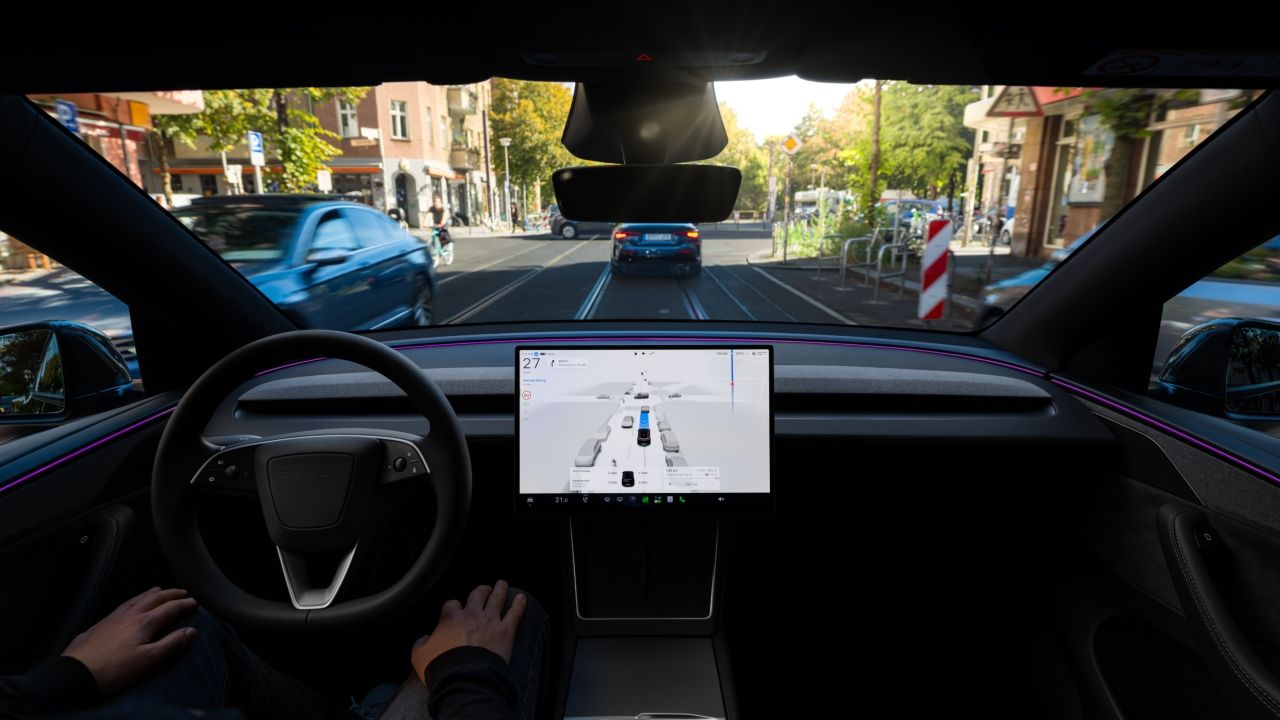

Latvia and Slovakia are the most recent countries in the European Union to give a real opportunity to Tesla's autonomous driving assistant amid the insistence of stakeholders in those countries. First it was Slovakia, and then Latvia on Monday, October 26, making it 10 out of 27 EU countries that have green-lighted it at the national level.
It all began with the approval by the Netherlands last April, more than six months ago. Then the decision began to spread to other countries such as Belgium, Denmark, the Czech Republic, Slovenia, Croatia, Lithuania, and Estonia, the last two neighboring countries of Latvia. Other countries, such as Sweden, France, or Greece, are considering it or have considered it.
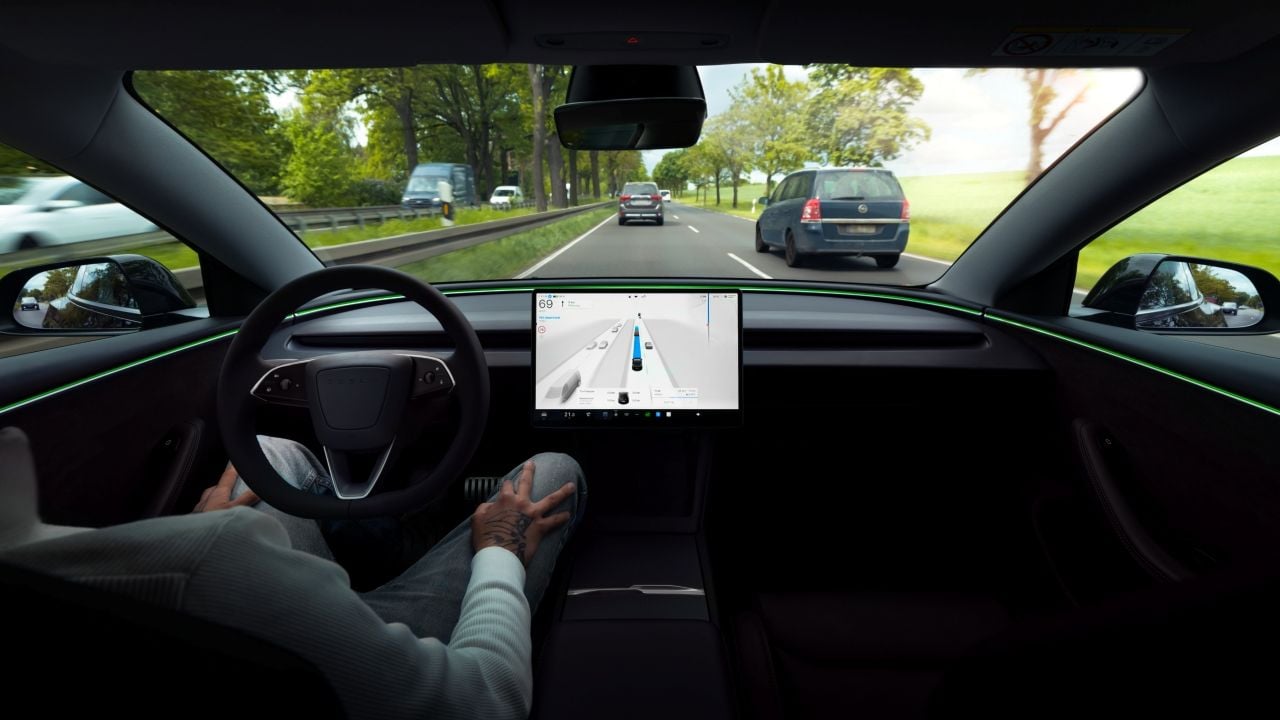
Now FSD is TAD and is Approved in 10 EU Countries
On one hand, it is worth noting that it is now not to be known as Full Self-Driving as it has mostly been known until now, but Tesla Assisted Driving (TAD instead of FSD). In a similar case to what it had in China some time ago, the name change aims to avoid potential great confusion, given that the driver remains responsible for the steering wheel, in both the physical and legal senses among others.
The TAD, FSD, or whatever it is called, remains an assistant and the driver must be attentive at all times, given that automated driving is not infallible - it is there as an assistant to assist, not to replace. In the case of the European Union, in the event of an accident, the blame falls on the driver, having a regulatory framework very different from what has allowed this technology to become common in both the United States and China and other countries, such as New Zealand or Australia.
Tesla's Assistant is Still Not Perfect
According to reports from Reuters, the TAD is capable of navigating through traffic even on busy highways and areas with merges. However, in the case of an individual in Slovakia, financial agent Igor Marcel, on one occasion while heading towards a closed barrier, the TAD went straight towards it and had to perform an emergency stop to avoid the collision.
Marcel also encountered a situation where while heading towards a supercharger, the car was unable to navigate on its own towards the charger in question, needing to be guided manually. Even with these details to refine, the legion of Tesla fans in Europe (such as the Tesla owner club in Slovakia) continues to pressure authorities, encouraged by messages from Elon Musk, aiming for the European Union to relent and allow the system to be legal across the territory.
Chinese Alternatives Awaiting Future Legislation
This, in turn, would open the door for several Chinese manufacturers to also have similar systems available on the market. This is the case with BYD and Xpeng, who recently showcased it at the Paris Motor Show in 2026, demonstrating their assistant in the traffic of one of the busiest and most chaotic cities in all of Europe.
Still, let's remember that the ultimate goal, to obtain the favorable vote from the European Commission, has not yet been achieved - in fact, there is still no date for it. Since it requires a qualified majority (at least 15 of the 27 countries representing 65% of the EU's citizens), the votes of France and Germany, both becoming increasingly amenable, are practically essential. Other important players, like Spain or Italy, have still not taken the step.
* This news is an AI translation of the original content. Motenic.com is part of Motor.es.
Fuente: Reuters