
Fires in electric cars: debunking the myth with data
Every so often, a video of a burning electric car goes viral and the rumor resurfaces: do electric cars catch fire more than gasoline or diesel ones? Statistics from various countries and independent emergency organizations say just the opposite.
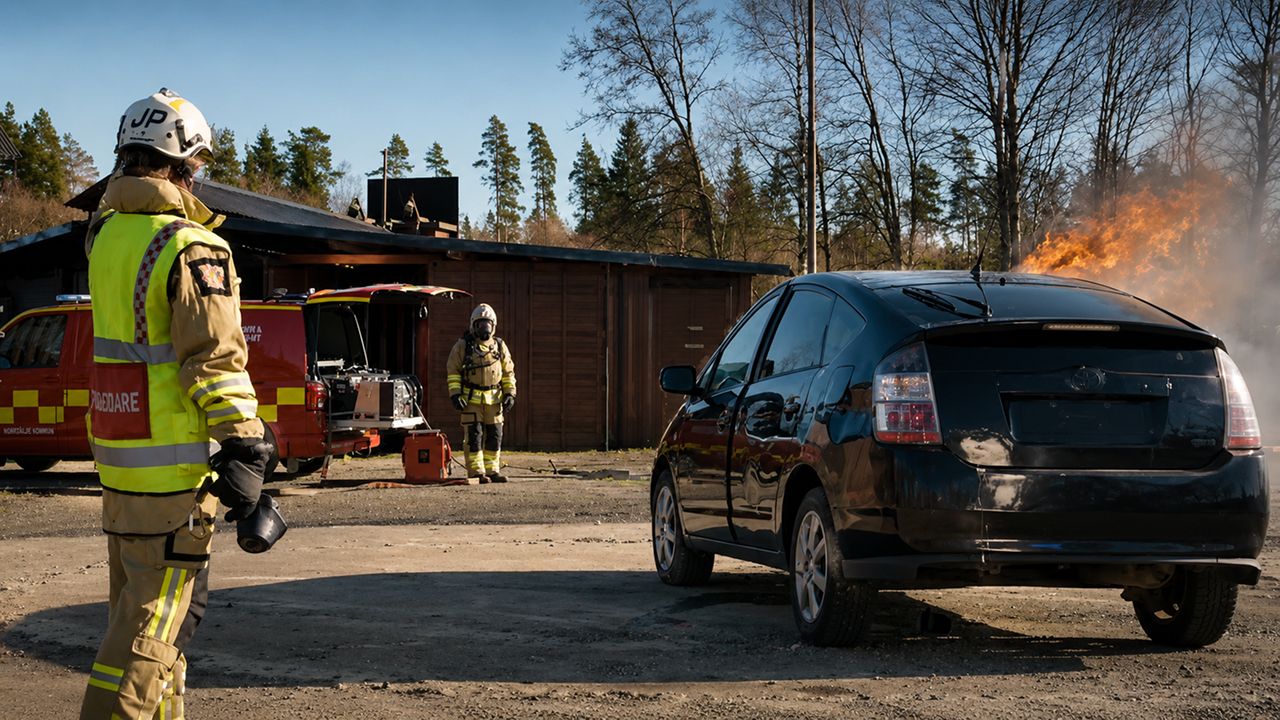

Just one image of a vehicle engulfed in flames published in media and social networks fills the comments with: "I won't buy an electric car even as a joke, they catch fire on their own." It's a legitimate concern, fire is scary, the images are shocking, and fear sells. But when those images are contrasted with aggregated statistics from various countries, the conclusion is the opposite of what intuition suggests.
I have reviewed independent sources, from The Guardian to the Swedish Civil Contingencies Agency, through technical reports from the sector and specialized media like InsideEVs, and they all agree on the same thing: electric cars catch fire much less frequently than combustion ones. The problem is that a handful of very spectacular cases shapes people's perception, much more than the statistics themselves.
Where the myth comes from: viral cases
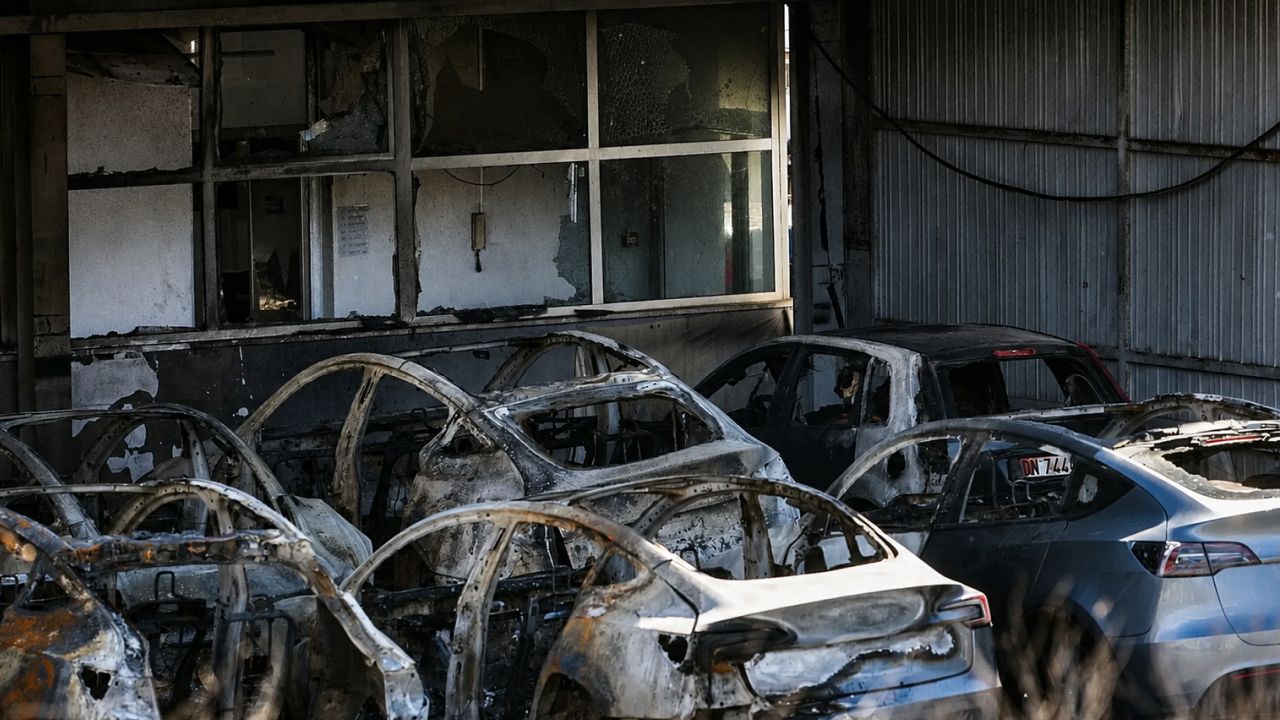
In March 2025, more than a dozen Teslas appeared charred in a parking lot in Rome. The news spread around the world as an example of the fragility of electric cars. The police investigation pointed to an intentional attack, a case of arson, not a battery failure. In Spain, isolated cases like those in Calpe or Madrid have had a disproportionate media impact compared to their actual frequency, according to Euroweekly News, which concludes that these incidents affect public trust more than actual safety, which remains high.
None of these cases, by themselves, say anything about the likelihood of any electric car catching fire. For that, aggregated statistics are needed, not viral anecdotes.
What the statistics say
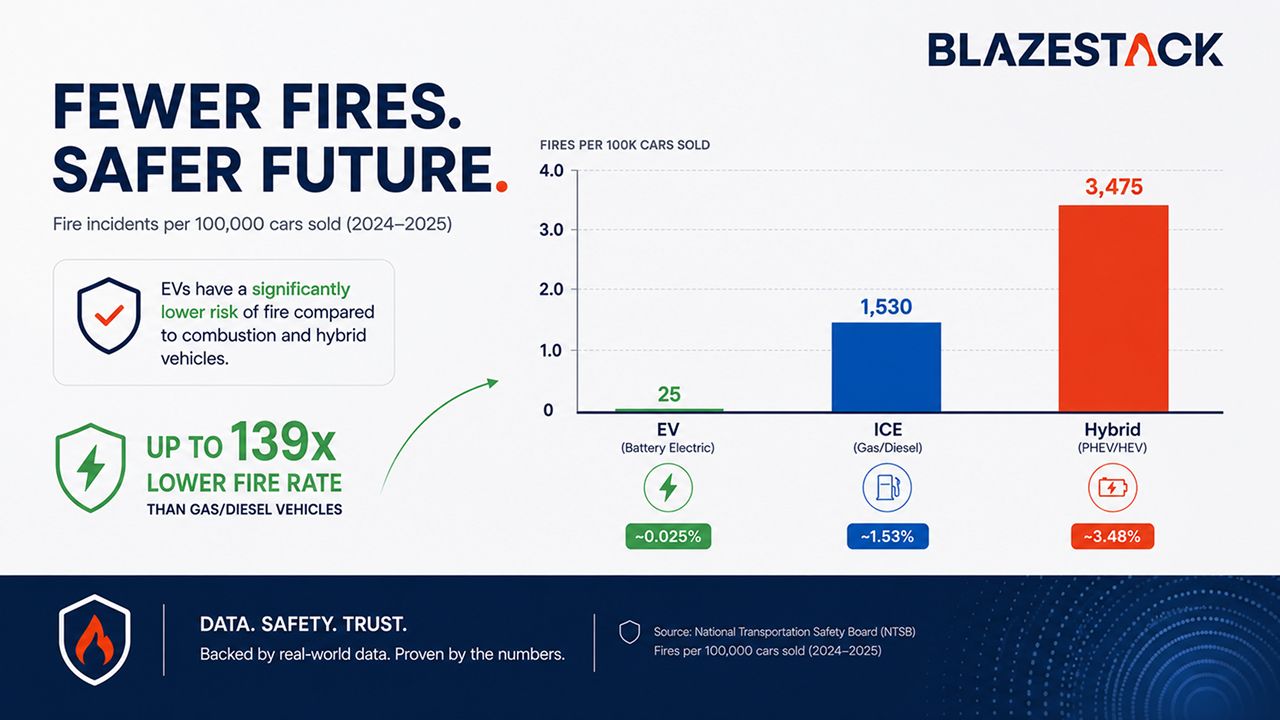
Specialized media like InsideEVs have reviewed alarmist narratives about fires in electric cars and conclude that they are not supported by serious data. The Guardian reports analyses that place the probability of battery fire in an electric car well below that of a combustion car. Technical reports from the sector, such as those from FireRover (a manufacturer of fire detection systems, worth noting), work with their own data: about 25 fires for every 100,000 electric vehicles sold, compared to more than 1,500 for every 100,000 gasoline vehicles. Other analyses, like that of BlazeStack, place the figure in a similar range.
Methodologies vary between sources, not all count the same or about the same vehicle fleet, so it makes no sense to cite a single number as if it were an absolute truth. What is consistent, source after source, is the proportion: depending on where you get the data, a combustion car is between 20 and 80 times more likely to catch fire than an electric one. That range, more than the exact figure, is the important data.
The Swedish data: the MSB emergency agency
The Swedish case deserves separate mention. An analysis that collects data from the Swedish Civil Contingencies Agency (MSB), the public agency responsible for managing emergencies in Sweden, places combustion cars with up to 20 times more likelihood of catching fire than electric ones, with a trend of fires in electric cars that is also declining in the Scandinavian country. This data has been located through a third-party analysis that cites the MSB, not directly from the official source, so we treat it as one more reference within the set, not as the definitive figure.
When an electric car catches fire, the challenge is different
Being honest also requires nuance: although a fire in an electric car is much less likely, when it occurs it is technically more complex to extinguish than that of a combustion car. The phenomenon is called thermal runaway: once a cell in the battery ignites, it can fuel the fire for hours and reignite after seeming to be extinguished. Euronews summarizes it well: fires in electric cars occur less frequently, but their management is different for emergency services.
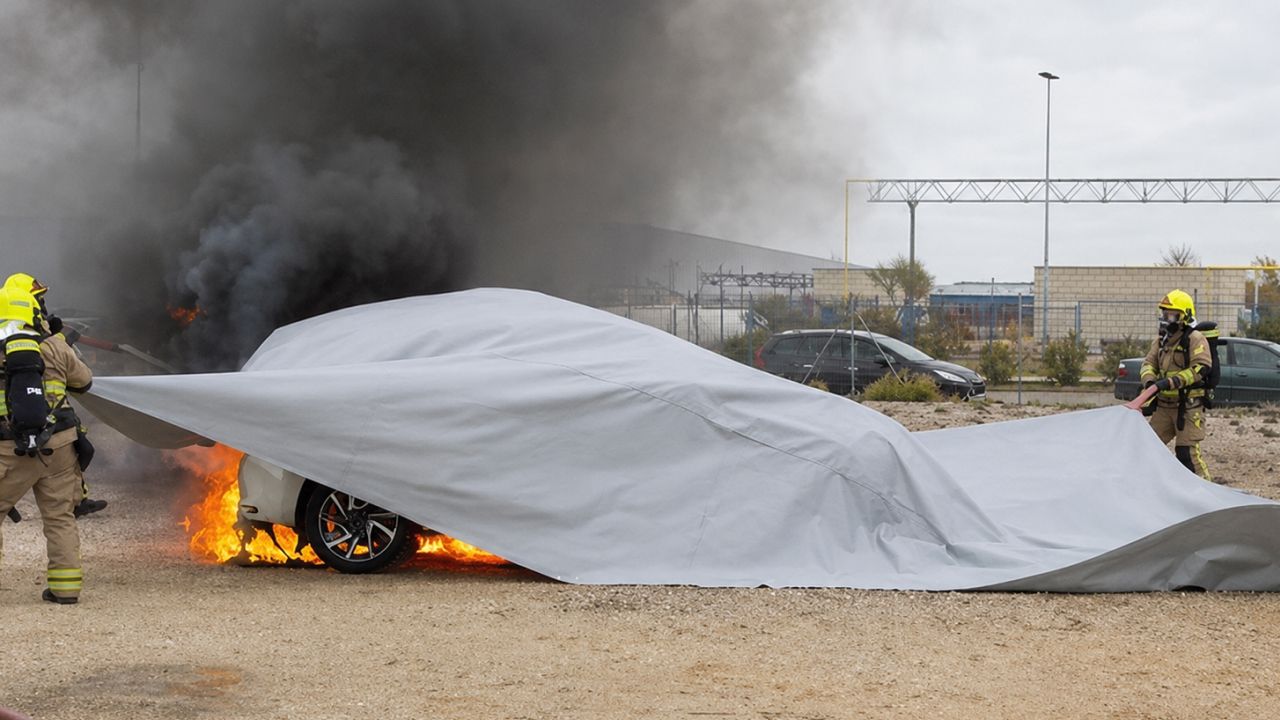
Fire departments across Europe, including Spain, have been adapting protocols and equipment for this type of fire for years. It is increasingly common to see special fire blankets designed to deprive oxygen and cool the battery while managing the risk of reignition.
Conclusion

Here it is worth putting the data in perspective with an example that we all understand: flying in an airplane. Statistically, it is the safest mode of transport that exists, with a minimal mortality rate per kilometer traveled. But when a plane crashes, almost no one survives, and the news travels around the world. No one stops flying because of that; we understand that the spectacular accident and the real probability of it happening to you are two different things.
With electric cars it is the same. When they catch fire, it is more difficult to extinguish them than a gasoline car, and we won't deny that. But that does not change the underlying data: they catch fire much less often, and each year that passes, emergency teams are better prepared for those few cases that do occur. If what you really worry about is the risk of fire, the car with the highest likelihood of catching fire remains the gasoline or diesel one, and our garages are full, not the electric one you are probably considering buying.
Sources consulted
- Do electric cars pose a greater fire risk than petrol or diesel vehicles? — The Guardian
- Sales of EVs are booming in Europe but are we equipped to tackle blazes caused by batteries? — Euronews
- Critics Say EVs Are A Fire Hazard. Here's What The Latest Data Actually Shows — InsideEVs
- How Often Do Electric Cars Catch Fire? A Look at the Data — FireRover
- EV Fire Statistics 2025-2026: How Many Fires, Causes & Trends — BlazeStack
- Analysis with data from the Swedish Civil Contingencies Agency (MSB) — LinkedIn, Gill Nowell
- Police investigate after more than a dozen Teslas burned in Rome — Euronews
- Are electric cars in Spain catching fire, and affecting public trust? — Euroweekly News

* This news is an AI translation of the original content. Motenic.com is part of Motor.es.