
Your connected car can record mileage and brake wear. Here’s how you can request that data for free
Mileage, charge level, and in some models, brake pad wear are data that a connected car can generate. European regulations allow the user to request them for free when they are available for the brand or another company that possesses them.
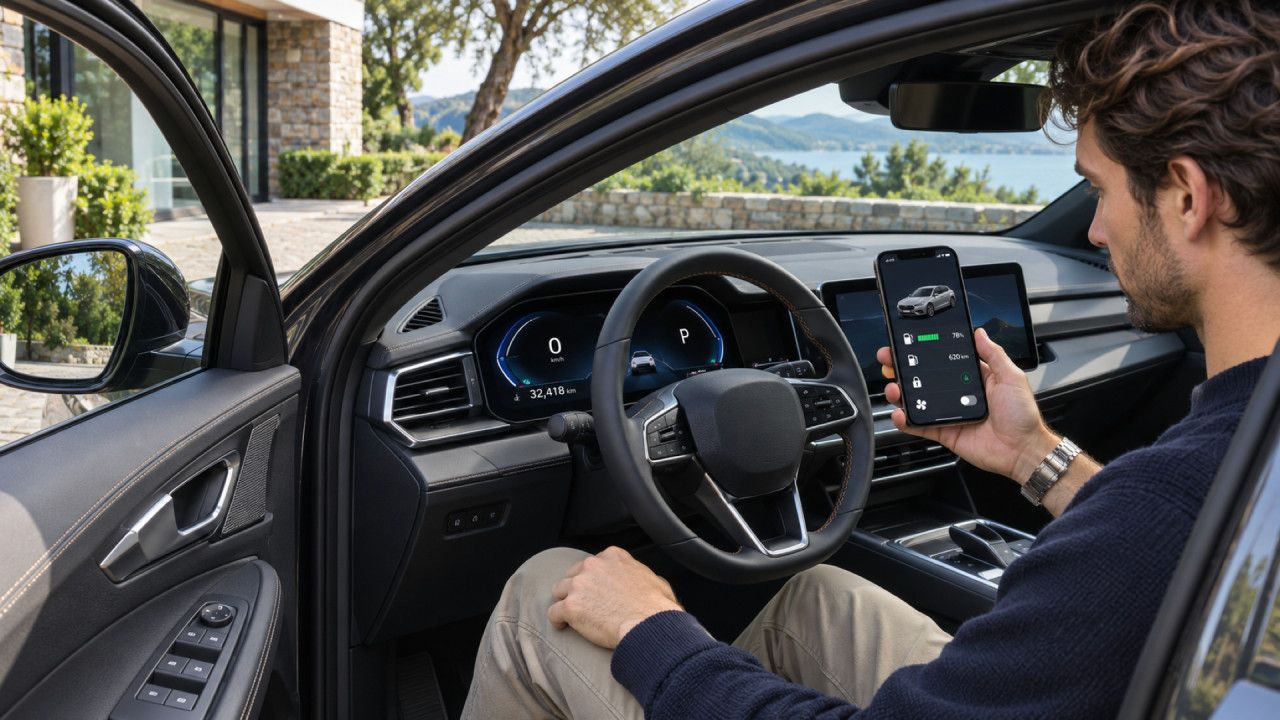

You open the car app and check how much battery is left. That inquiry, which could already be made from the mobile in models like the Volkswagen ID.3, gives a clue about the information generated by a connected vehicle. Part of that data may reach the manufacturer’s server. Well, the European regulation gives you the right to request what is available, even if the app you use daily only shows a few.
The EU Data Regulation, also known as Data Act, will generally apply from September 12, 2025. If the user cannot directly access the data, Article 4 requires those who have it to provide the data that is easily available for free, with the same quality that the company has at its disposal. The right may belong to the owner or to anyone entitled to use the car under a contract, such as a rental or leasing agreement.
What data can you request from the car
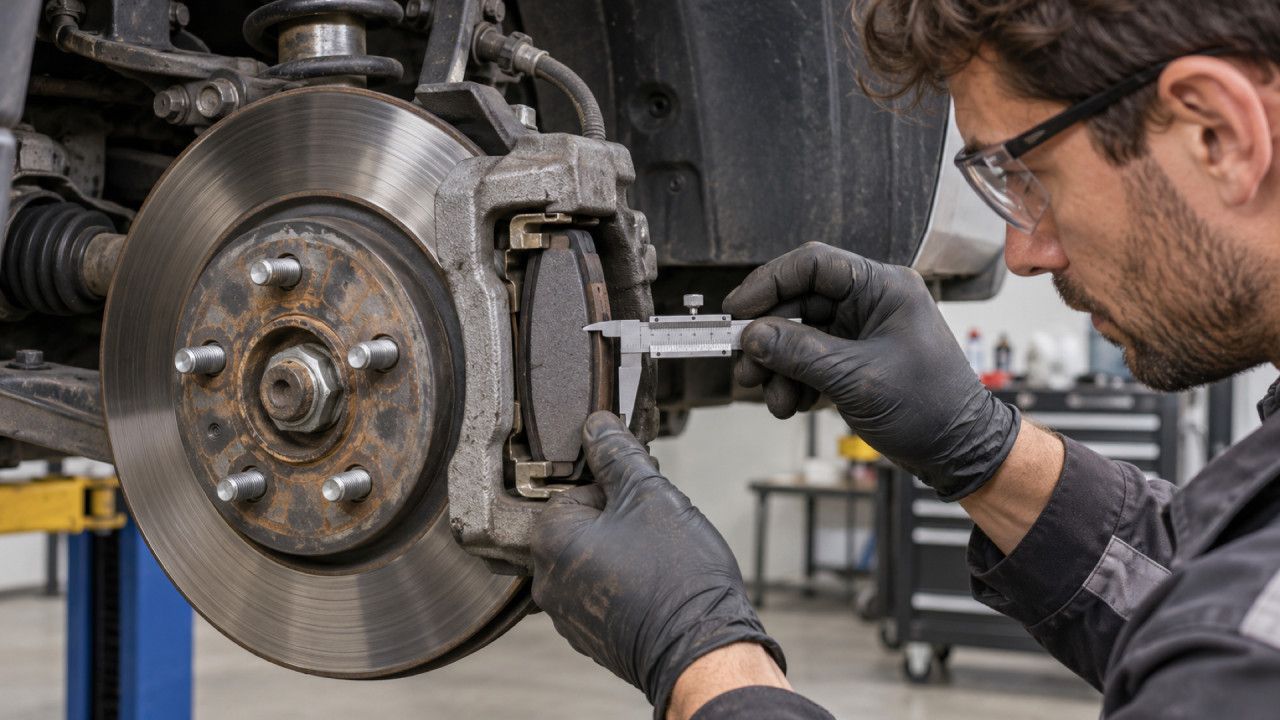
In its guidelines for automobiles, the European Commission cites examples such as mileage, levels of different fluids, and brake pad wear expressed as a percentage. The list serves to understand what kind of information may fall under the regulation. What each user receives depends on the data generated by their vehicle and what the company can legally obtain without disproportionate effort.
The distinction is evident with brakes. If the car generates a wear percentage and the brand receives it or can obtain it easily, that data may be included in the request. If the model only issues a warning when the pads reach a certain wear level, the regulation does not compel the brand to calculate a percentage that the car does not provide.
How to request data from the manufacturer
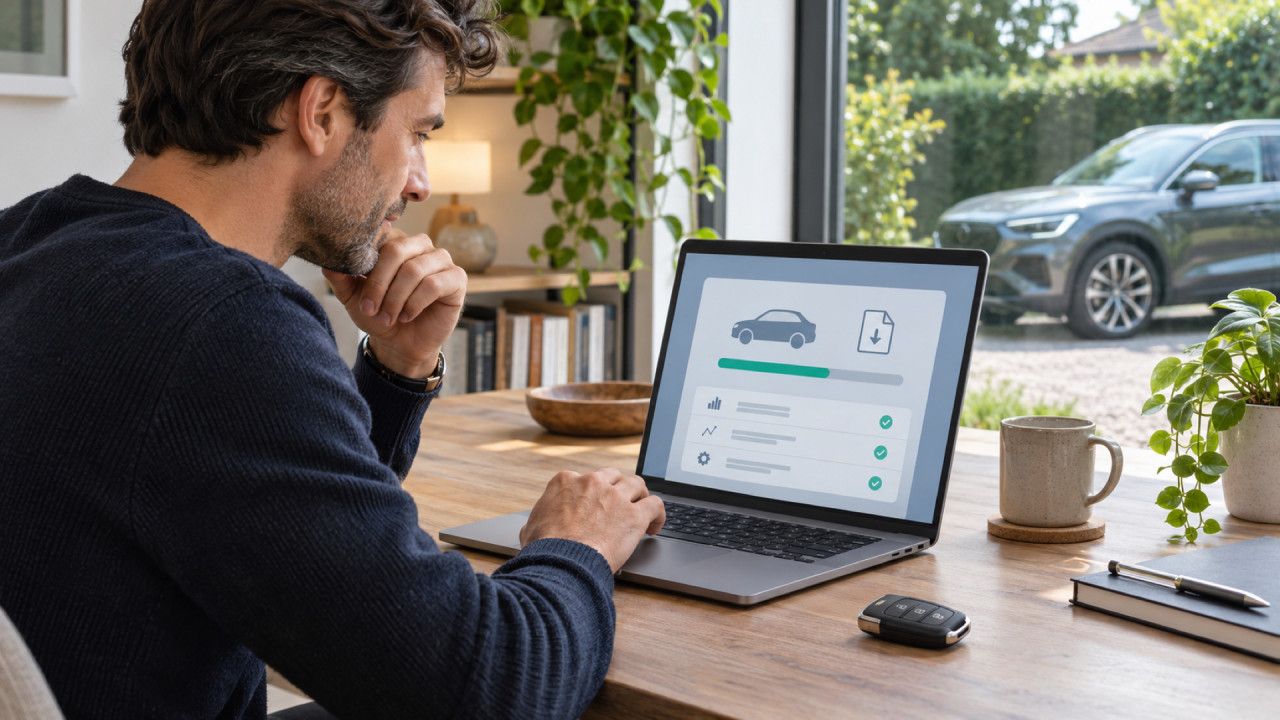
Start by identifying who holds the data. In many cars, it will be the manufacturer. Look on their website or in the customer area for the section dedicated to the Data Regulation and if you can't find it, ask customer service through the inquiry channel. Specify the model, the VIN, and what you want to inquire about. For example, you can request the mileage records from a specific period or the latest available data on pad wear. The company can verify your right to use the vehicle.
Access must be free for the user and the data must be delivered in a format suitable for computer processing. If the car is shared, data protection rules come into play. For example, having the right to use a vehicle does not automatically grant access to a history that allows identifying someone else's movements. This is one of the differences between requesting technical information about the vehicle and consulting what personal data a connected car may record.
You can also request that the available data be provided to a third party, such as a workshop that needs it to prepare a diagnosis. This avenue is different from the access that an application may have on its own, as illustrated by the case of the applications that consulted data from Volkswagen’s electric vehicles.
And if your car is older than September 2026, the date of marketing does not alone prevent requesting the data already available. What applies to products introduced to the market after September 12 is the obligation to design them so that the user can directly access the data when applicable and technically feasible.
Add us as a preferred source on Google and don't miss anything from Motenic.com

* This news is an AI translation of the original content. Motenic.com is part of Motor.es.