
Nine weeks in the shop due to a software failure and BYD agrees to refund nearly 39,000 euros for the car
It only had 2,000 kilometers, but BYD has refunded the money for its Atto 3 Evo. This is how the Chinese brand responded after a software update failed in the electric car and it spent 9 weeks in the shop.
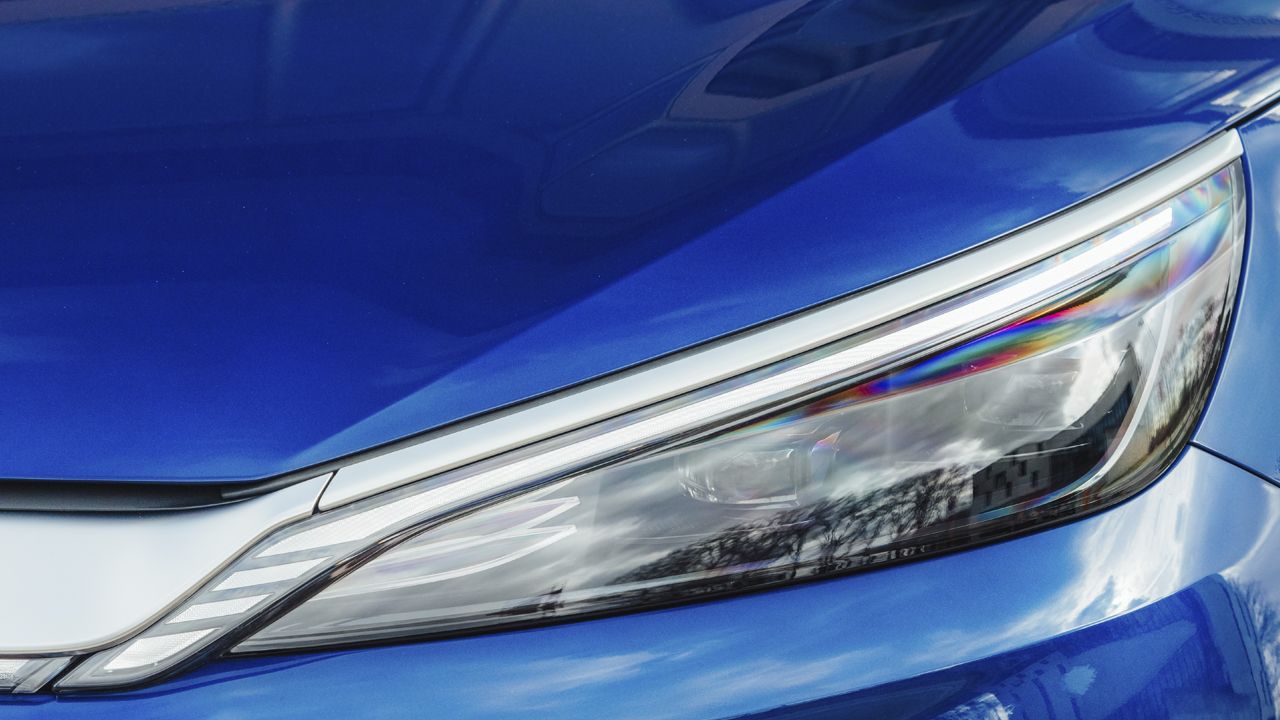

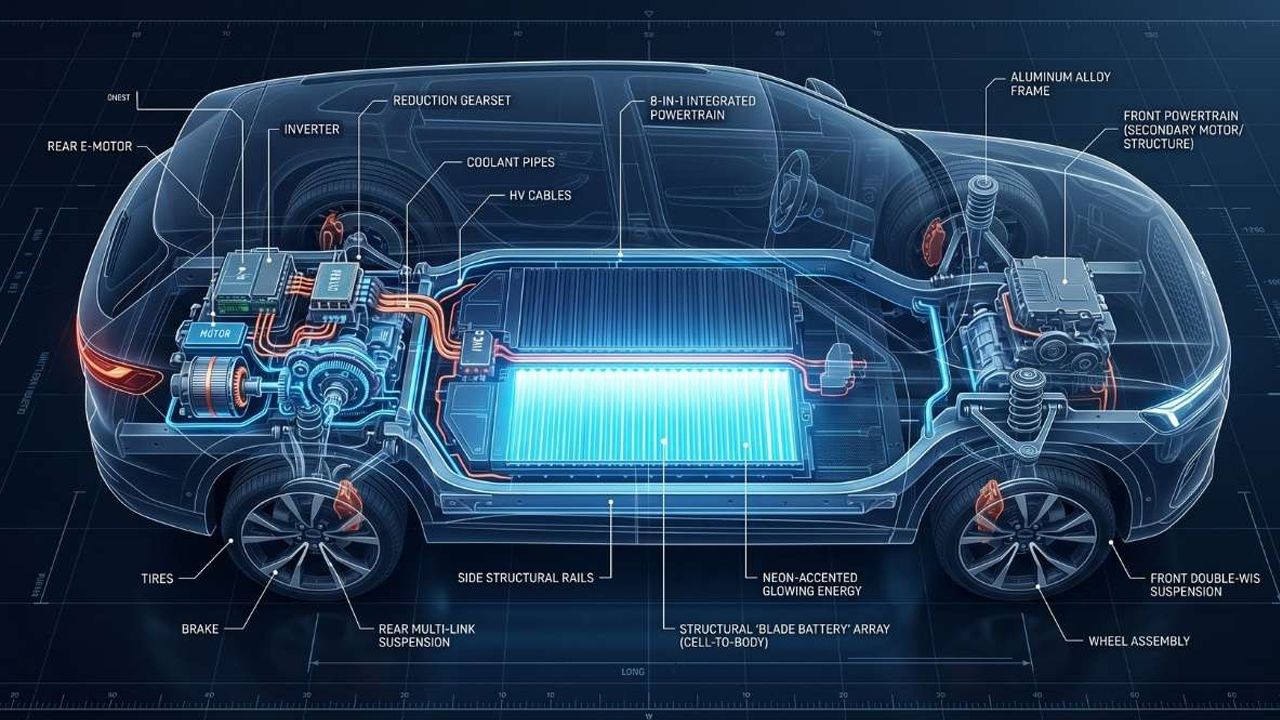
The electric car boasts no timing chain or gearbox that can break. Supposedly, we save on maintenance, but it is necessary to make some additional outlay in the propulsion system, specifically on the electric motors.
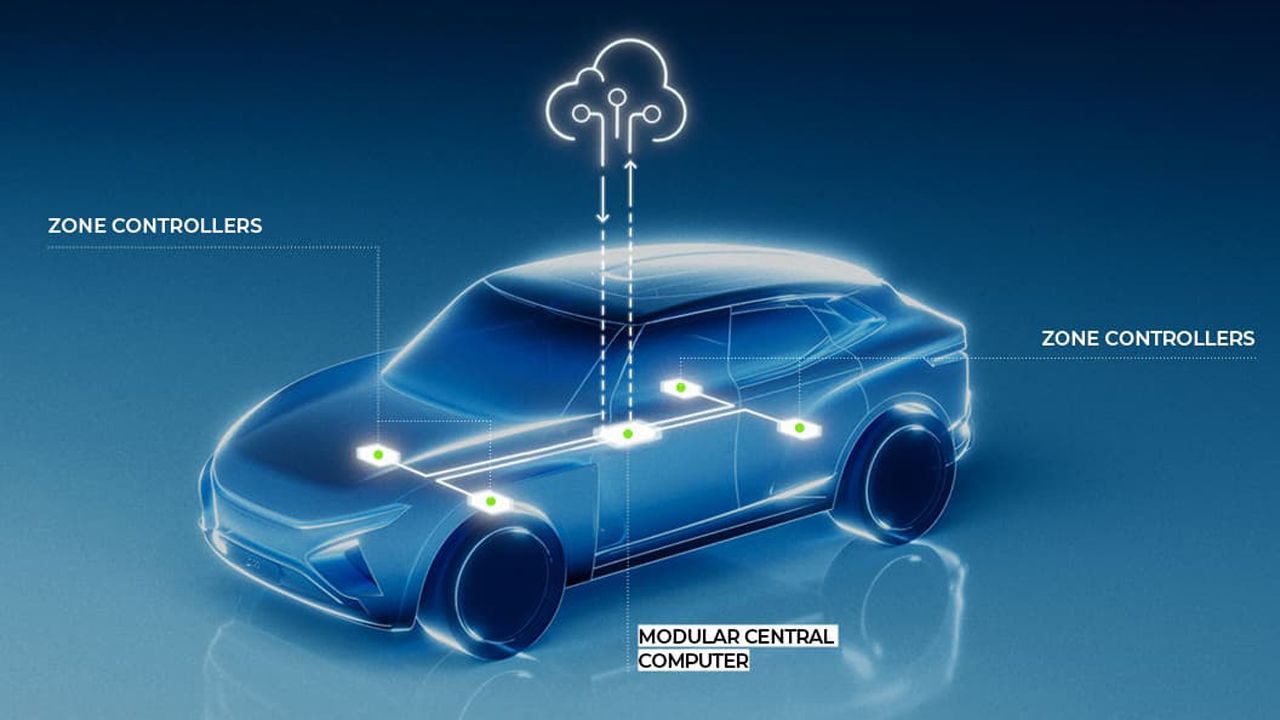
However, one of the problems that electric cars are experiencing is software, and sometimes it breaks too. Not physically, of course, but lines of code can also get corrupted, leaving some functions unusable. This is what happened to a German customer, who managed almost effortlessly to get BYD to refund the money for his Atto 3 Evo after an update left the car in the shop for nine weeks.
An Atto 3 Evo that wouldn’t update
The owner of this BYD Atto 3 Evo we tested, which was purchased last May for a price of 38,575 euros, is a electric SUV with up to 449 hp, depending on the version, and one of its advantages is being able to update remotely without stepping into the shop. But this was not the case.
The software update would not install wirelessly, so after several attempts, he went to the dealership where technicians tried to install it with a USB memory, without success. The owner explained that he tried to perform the update on other occasions, to the point of leaving the car immobilized in the shop and having to use a replacement car.
The dealership's first solution came weeks later, pointing to the need to replace one of the control units that, unfortunately, was not available in European stock. Nine weeks later, the car was still in the shop, proceeding to claim the termination of the purchase contract, which BYD did not refuse.
BYD strengthens its image by not contesting the case
BYD has accepted the cancellation and confirmed that it will refund the purchase price. What the owner does not know is whether they will deduct a fee for the time used, something that is legal in Germany. The owner who won the lawsuit against Mercedes over a battery failure in an EQA received a refund of the price of the car, except for the proportional part of the kilometers driven.
The truth is that we are facing a unique case, with a car whose failure was prolonged due to a part that was unavailable and technicians who could not find the solution. In other words, a post-sale problem rather than a product issue. And the post-sale service is the Achilles' heel of Chinese brands that are growing rapidly in Europe: selling cars is relatively easy, servicing them well when they fail is another matter.
However, BYD's response helps reinforce its image by not contesting the case to the end, something that other brands do, forcing customers to go through long judicial ordeals. What remains to be seen is whether BYD's attitude toward customers is consistent across all European countries or only in Germany.
Software is not just a BYD problem
Software is the primary cause of frustration for many owners, regardless of the brand. In its 2026 reliability study in the United States, JD Power indicates that wireless updates yield irregular results: only 27% of owners who received an update say it improved their car, and 58% noticed no difference at all.
Additionally, wireless updates were associated with an almost 14% increase in reported problems.
And there is no turning back. All manufacturers, not just the Chinese ones, are heading toward the "software-defined vehicle," where ideally there will be no need to go into the shop for many updates. If it works, of course.
The legal argument
The client's attorney presents it this way: modern vehicles are no longer just means of transportation, but products controlled by software, and if an update makes essential functions cease to be reliably available, it can be considered a significant defect. Buyers, he argues, should not have to accept this, even up to voiding the contract.
For manufacturers, the message is clear: more software offers advantages, but it does not exempt them from the warranty. For his part, the claimant has preferred to order an electric Mercedes GLC, which is considerably more expensive than the BYD, but that does not guarantee it won't fail...

* This news is an AI translation of the original content. Motenic.com is part of Motor.es.