
Audi seeks to reduce costs of its plug-in hybrids, and the A3 could lose electric range
Audi has lost momentum worldwide and needs to recover it. The brand could be plotting something unprecedented in its category, changing the battery of the A3 and Q3 plug-in hybrids for LFP technology from its smaller electric models.
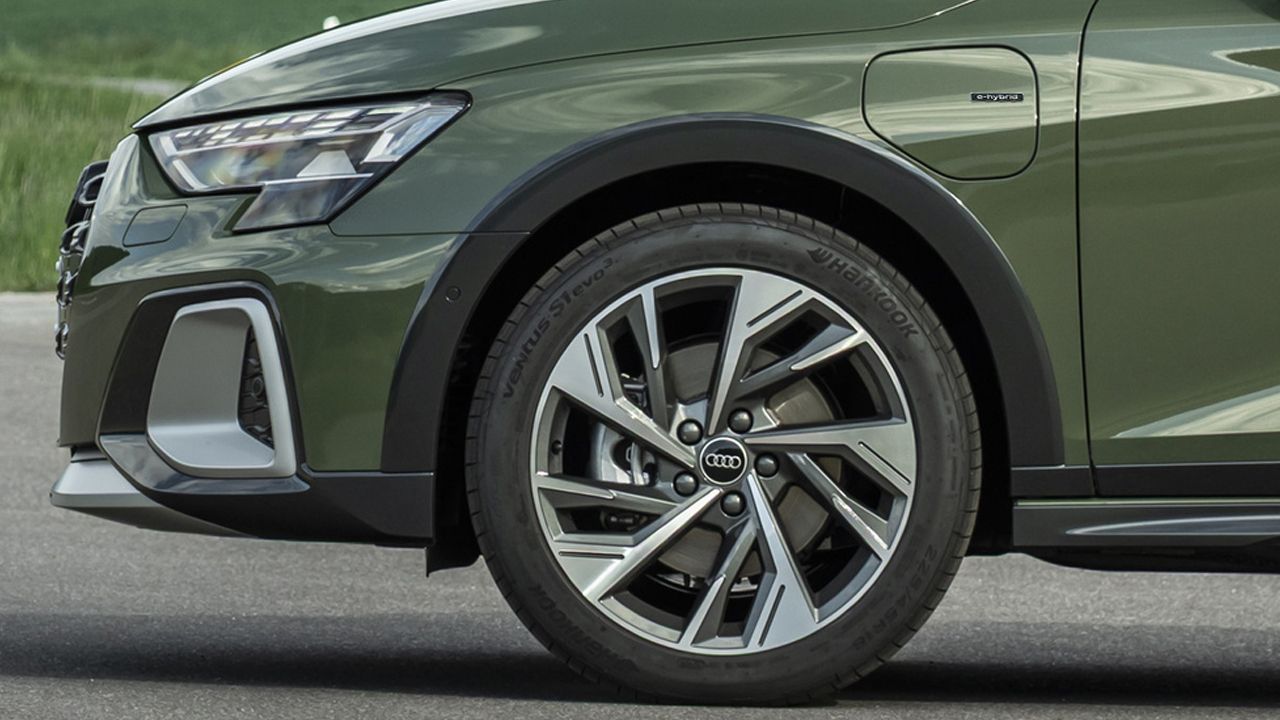

Audi has published the results for the first nine months of the year, and they draw one conclusion: the brand's situation is complicated, so it is studying ways to boost the sales of its models worldwide, and the Australian market may hold an important key.
The pressure from Chinese brands with plug-in hybrids is becoming very difficult to withstand, especially when these manufacturers are betting on replacing the batteries of their plug-in hybrids, currently lithium-ion, with LFP. Thus, the four-ring brand could become the first premium manufacturer to have this battery technology.
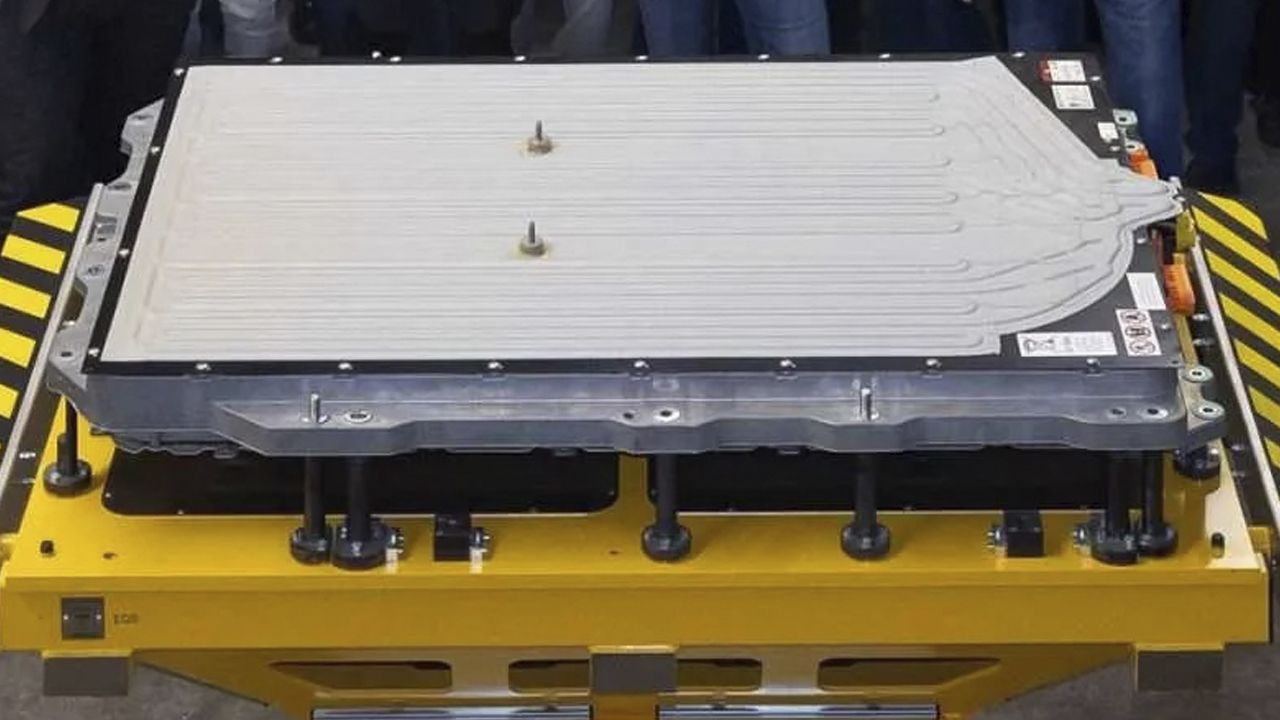
Will Audi bring LFP batteries to its PHEVs?
Matthew Dale, product chief of Audi in Australia has focused on the Audi A3 e-hybrid and Q3 e-hybrid, the latter just went on sale in Spain, following the presentation of the brutal RS 5 in the country, pointing out that the brand is working on updated versions to "not launch an obsolete model".
Neither of the two models can be classified as obsolete, at least in terms of aesthetics and equipment, although they might be from a more technical point of view. For example, the battery. Australians from CarExpert point to a main reason to justify this move by Audi, which, we reiterate, is not confirmed: a PHEV has less electric range than an electric car and charges to 100% much more frequently, which suits LFP well.
It also tolerates frequent use of fast direct current chargers better, which the Group's 50 kW system already allows. Advantages of a chemistry that also has a significant drawback, and one well-known: it stores less energy per kilo than current lithium-ion batteries and performs worse in cold.
What Audi hasn't said (and what doesn't quite add up)
Dale explained that hybridization is changing very rapidly and they don't want to bring a car to Australia only for Europe to launch another version three months later, leaving Australian customers outdated. It sounds prudent, but leaves several loose ends.
Sister brands are already selling the current 1.5 eHybrid system in CUPRA León, Formentor, and Terramar, in Skoda Kodiaq and Superb, and in Volkswagen Tiguan and Tayron, without anyone talking about obsolescence. And Audi has just expanded the Q3 range with a PHEV version with 204 HP that uses the same battery as the 272 HP variant, just the one that is supposed to become outdated.
It is also unknown whether the LFP will lower the costs of these cars: today, in Spain, the A3 e-hybrid starts at 48,300 euros and the Q3 e-hybrid with 204 HP starts at 55,611 euros, both with a 0 Emissions label. Until Audi or Volkswagen confirm anything, the LFP in the Group's PHEVs is a reasonable hypothesis, but it is still not news.

* This news is an AI translation of the original content. Motenic.com is part of Motor.es.