
PureTech engines have a tool for less than 15 euros to check the status of their belt
A template costing less than 15 euros can help you know the state of the timing belt of the PureTech engine. A quick check that doesn’t replace a full inspection but can save you thousands of euros.
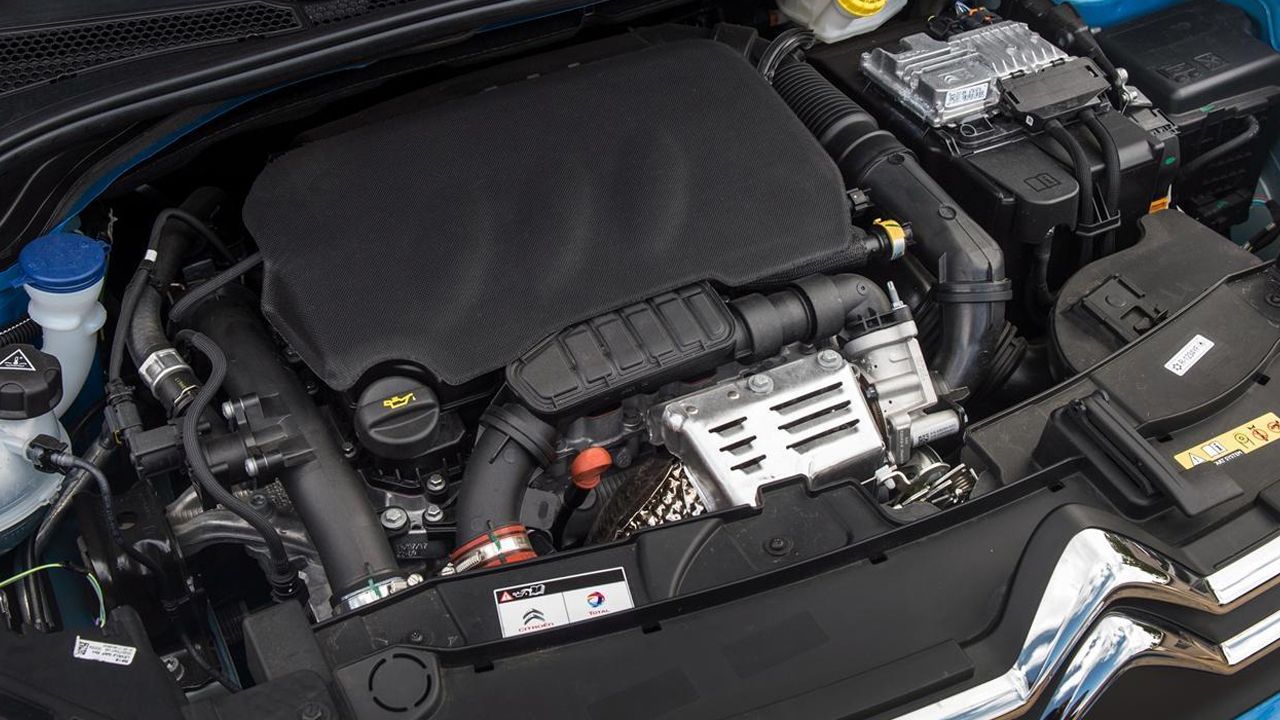

Stellantis has put an end to the most promising gasoline engines it conceived but ended up causing significant problems for buyers, forcing some to get rid of their cars with few kilometers and time. It even caused major damage to the giant's image, which did not alter Carlos Tavares' roadmap.
But, in a turn of events, his successor not only introduced measures to compensate the victims, but Antonio Filosa has also apologized. A public apology rarely made by a manufacturer. However, there are still a significant number of PureTech engines that may be a source of problems, although they haven’t, so there is a small tool to know if you need to urgently go to the workshop or not.
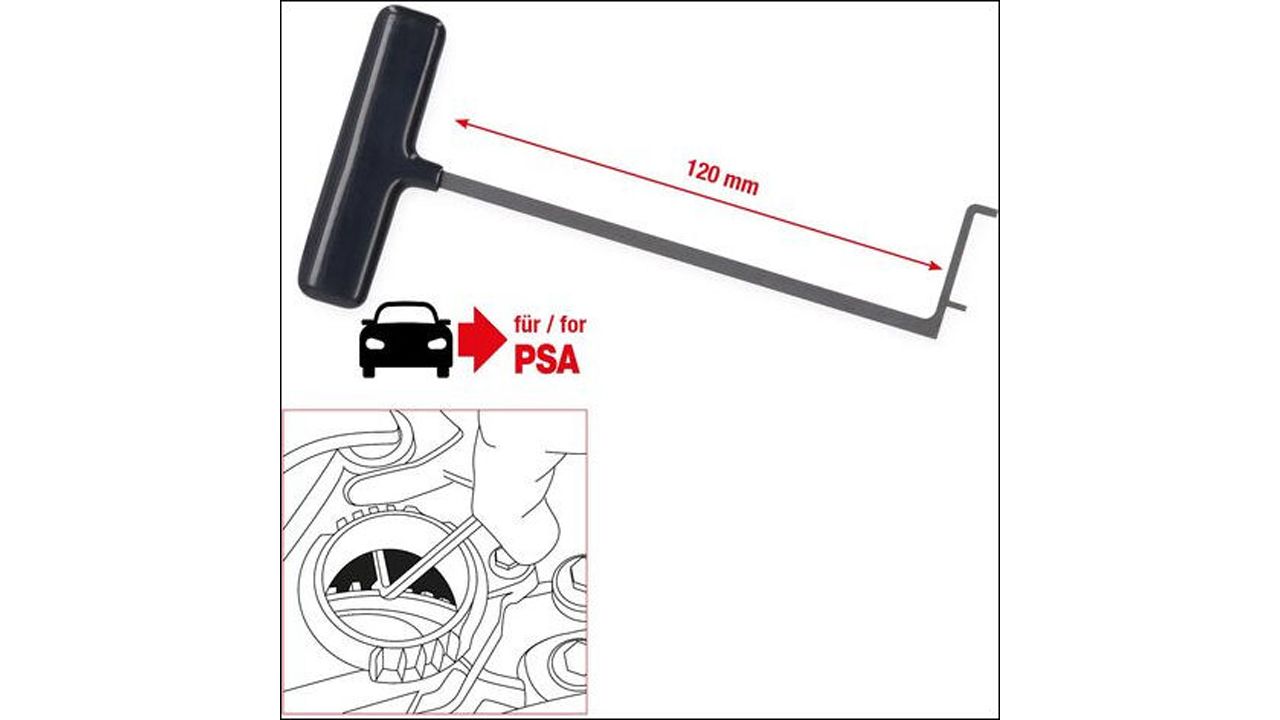
What it is and what the PSA G-0109-6 template is for
You don’t need to disassemble the engine or go to the workshop to start suspecting the timing belt submerged in oil of a PureTech. You just need a small, cheap piece of plastic or metal that fits in your hand and can be bought at any spare parts store. It's called an inspection template, it's coded PSA G-0109-6 and usually costs less than 15 euros.
It’s a gauge. Its profile is designed to indirectly measure the width of the belt, which is the easiest symptom to detect that the rubber is degrading. If the belt swells from prolonged contact with oil, the template no longer fits. And if it doesn’t fit, you have a reason to go to the workshop before things go further.
How to use it, step by step
The best part is that you don’t have to remove anything. The belt is visible through the oil filler hole and you need to do the following to clarify any doubts:
- With the engine cold, remove the oil filler cap.
- One part of the belt is visible through that hole.
- Carefully insert the template and place it over the belt following the inspection instructions.
- If it fits well, the measurement is within limits. If it doesn’t fit, the rubber may have swollen and it’s time to go to a workshop for a check-up and, if necessary, replace it.
It’s a simple procedure, but take care: you are working on a part that, if it starts shedding material, cannot afford to let dirt or anything else in.
Why you need to watch that belt
The underlying problem is already known. The belt operates submerged in oil to reduce friction and improve efficiency, but that continuous contact is also its Achilles' heel. Stellantis technicians have tried every means to avoid damage to the belt by testing different grades of oils, but this has never worked because all lubricants contain detergents and other chemical agents that continued to degrade the belt.
Oils lose properties, for example, from habitual use in short trips, which accelerates the rubber's deterioration, first swelling, then cracking, and ending up shedding fragments. Those pieces go into the lubrication circuit causing a blockage in the oil pump inlet. When this happens, pressure drops, the moving parts stop receiving lubrication and the end of that story is well known worldwide
Stellantis replaced the belt with a more robust chain, and you can also find out if a certain engine has it by looking through the filler cap in the upper crankcase.
What the template doesn't tell you
Here comes the fine print, which always exists and should not be overlooked. The template only checks one thing, the width. That it fits doesn’t mean the belt is healthy: a normal measurement can hide other signs of deterioration.
That’s why the measurement must be accompanied by a visual inspection, looking through the opening the surface and edges of the belt as much as possible. If you see cracks or material remnants, it’s a warning sign even if the template fits easily.
And there is one more important detail. When the belt is already fraying, it’s likely that fragments have reached the lubrication circuit, so just changing the belt may not suffice. If there are clear signs of deterioration, the workshop should also check the oil pump suction tube and any other component affected by deposits, cleaning them or replacing them if necessary.

* This news is an AI translation of the original content. Motenic.com is part of Motor.es.